Winter EV Challenges
For the first in a new series of features by EV efficiency world record holder Kevin Booker, he looks at the challenges of running an EV in the Winter.

Kevin Booker
We might be well into spring, then the heat of the summer, but it doesn’t hurt to plan ahead, to the Winter months of 2026/27, with our guide.
As we go into winter and the temperatures start to drop, I often get asked what it’s really like living with an EV in the colder months. There are always the naysayers who shout that electric cars don’t work in winter, or you’ll hear comments like, “You won’t get far if you turn the heating on.” I’ve been driving EVs since 2015, and back then, your car choices were limited to the Mitsubishi i-MiEV, Nissan Leaf, and Renault Zoe.
My choice was the 22kWh Zoe, which was not without its quirks, especially when the weather turned cold. One issue I remember well, was the heating system getting confused, and the only way to reset it was to warm up the external temperature sensor in the door mirror with a hair dryer. Only then would you get warm air again!
The truth is: EVs do have reduced range in winter. It is a fact, but it’s also important to remember that petrol and diesel vehicles lose range too - you just don’t notice it as much because their fuel tanks are bigger! Back in 2015, when most EVs struggled to do 100 miles on a charge, losing a few miles in the cold could be the difference between making it to your destination or not. These days, even the cheapest EVs can do well over 150 miles, and the charging infrastructure is much more plentiful,so it’s far less of an issue than it used to be.
With that in mind, I thought I’d share some tips and insights to help you get the most out of your EV this coming winter.
Pre-heat and Defrost Remotely
One of the great things about an EV is the ability to pre-heat and defrost your car remotely. This means your windows are clear and your car is lovely and warm before you even set off. I don’t miss the days scraping the windows and waiting at least 15 minutes for warm air to come through the vents, like I did with petrol and diesel cars! Another good thing, is that if you’re plugged into an active charger, pre-heating uses mains electricity rather than wasting energy from the battery, which could be used for your journey ahead instead.
Use Heated Seats and Steering Wheel
If you’ve got heated seats or a heated steering wheel fitted, use them! It is far more energy efficient to heat yourself directly than to try and warm up all the air in the car. Speaking of heating, use your car’s climate control sensibly. I see so many people set their EVs to “HI” in winter, but the best way is to think of it like the thermostat on your home heating, and set it to a comfortable 19–20 degrees. You’ll still be warm, but you’ll save some energy and get a few more miles of range. On many new EVs, there’s a heat pump option, which can be a wise choice in winter, since it’s much more efficient than the traditional resistive heating found on some models.
Charging Speeds in the Cold
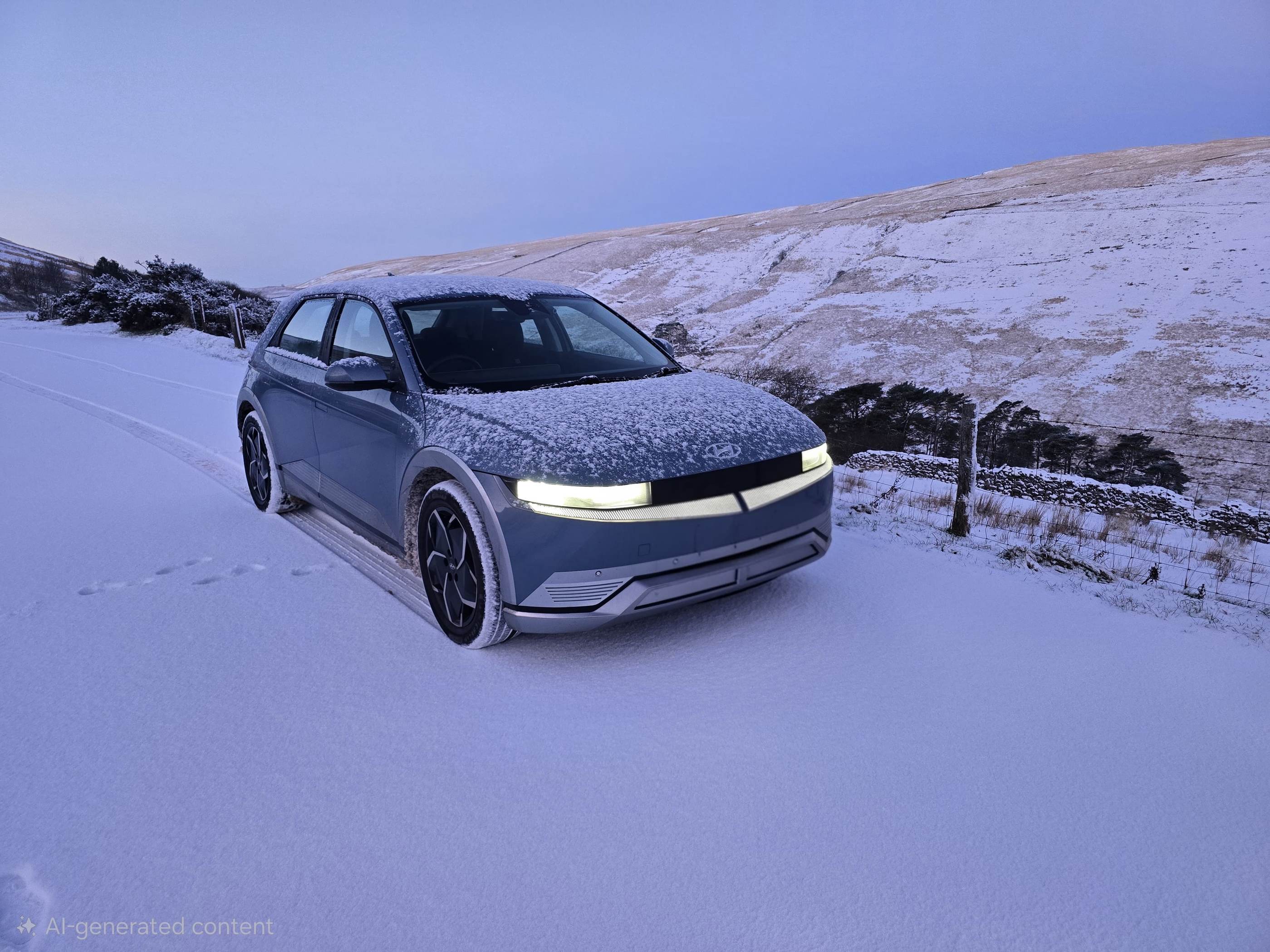
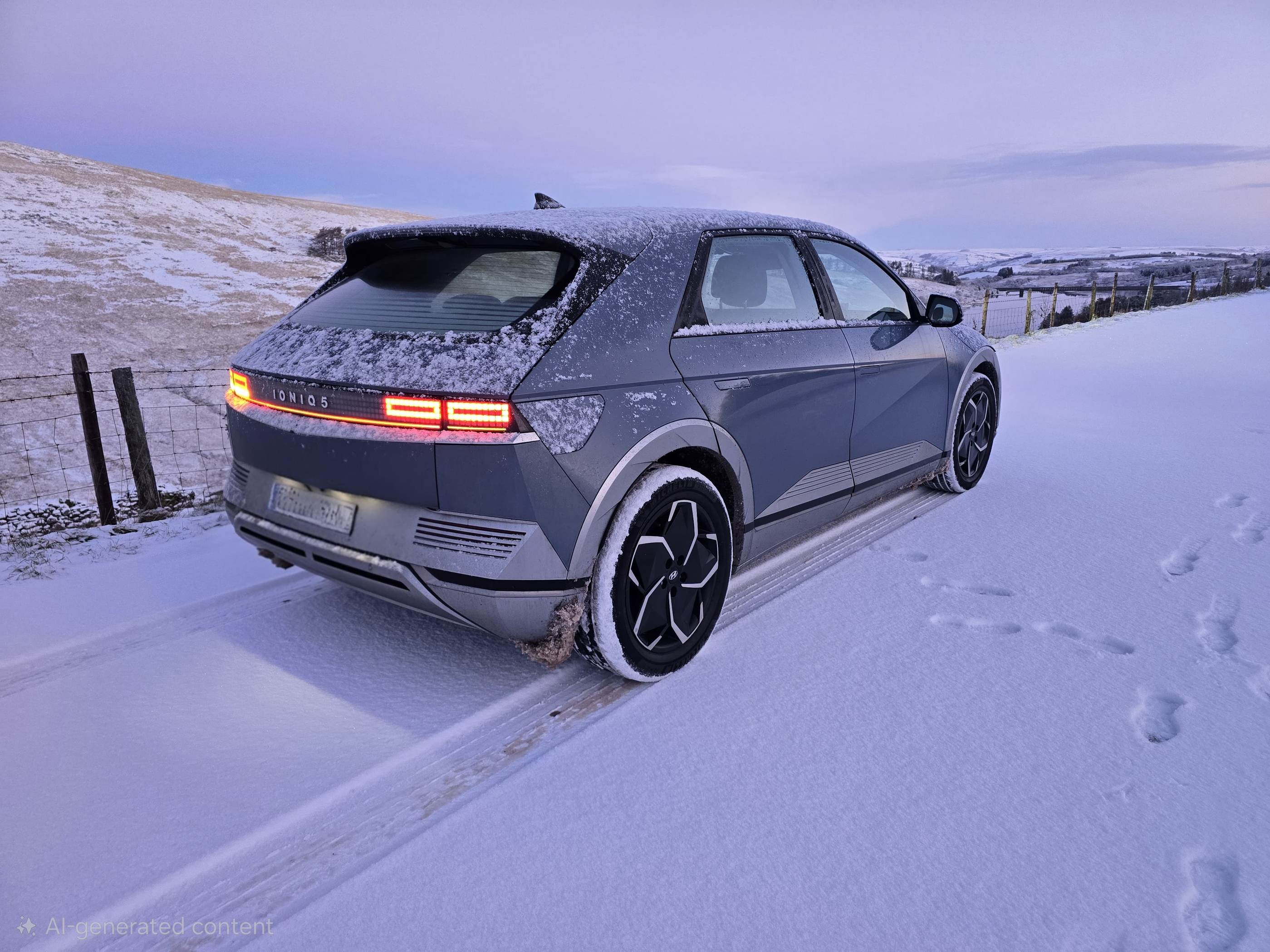
Another thing that’s affected by cold temperatures is charging speed. My own car, an early Hyundai IONIQ 5, without a battery heater, can charge at speeds of 170+kW in summer. However, it’s a different story in winter, where I’ve seen speeds as low as 36kW, which can significantly increase your time at the chargers. Luckily, the vast majority of EVs now come with battery heaters, which means this is no longer an issue for most people. My top tip for this is even if you know the way, it’s well worth programming your in-built satnav, as it can then pick the optimum time to start warming the battery.
Driving Mindfully in Winter Conditions
My final tip during Winter, is to be mindful of driving conditions. It is very easy to forget the instant torque that EVs have, and this can prove challenging in icy or snowy conditions. So take your time, read the road ahead, and you’ll get far more efficiency and be safer too.
Final Thoughts
So, next Winter, it’s time to stop worrying about range - it’s no longer the issue it used to be with modern EVs! Remember to take advantage of those remote apps to warm the car before you leave, use your heated seats and steering wheel, and drive with care when it’s slippery. EVs have come a long way since I started driving them, and with a bit of planning, you’ll find they’re just as practical in winter as any other car if not more so.
Share this
Featured Posts


Explore Topics