Top cars from the Beijing Auto Show
Kevin Booker picks his favourites, and questions how likely they are to join UK fleets.

Kevin Booker
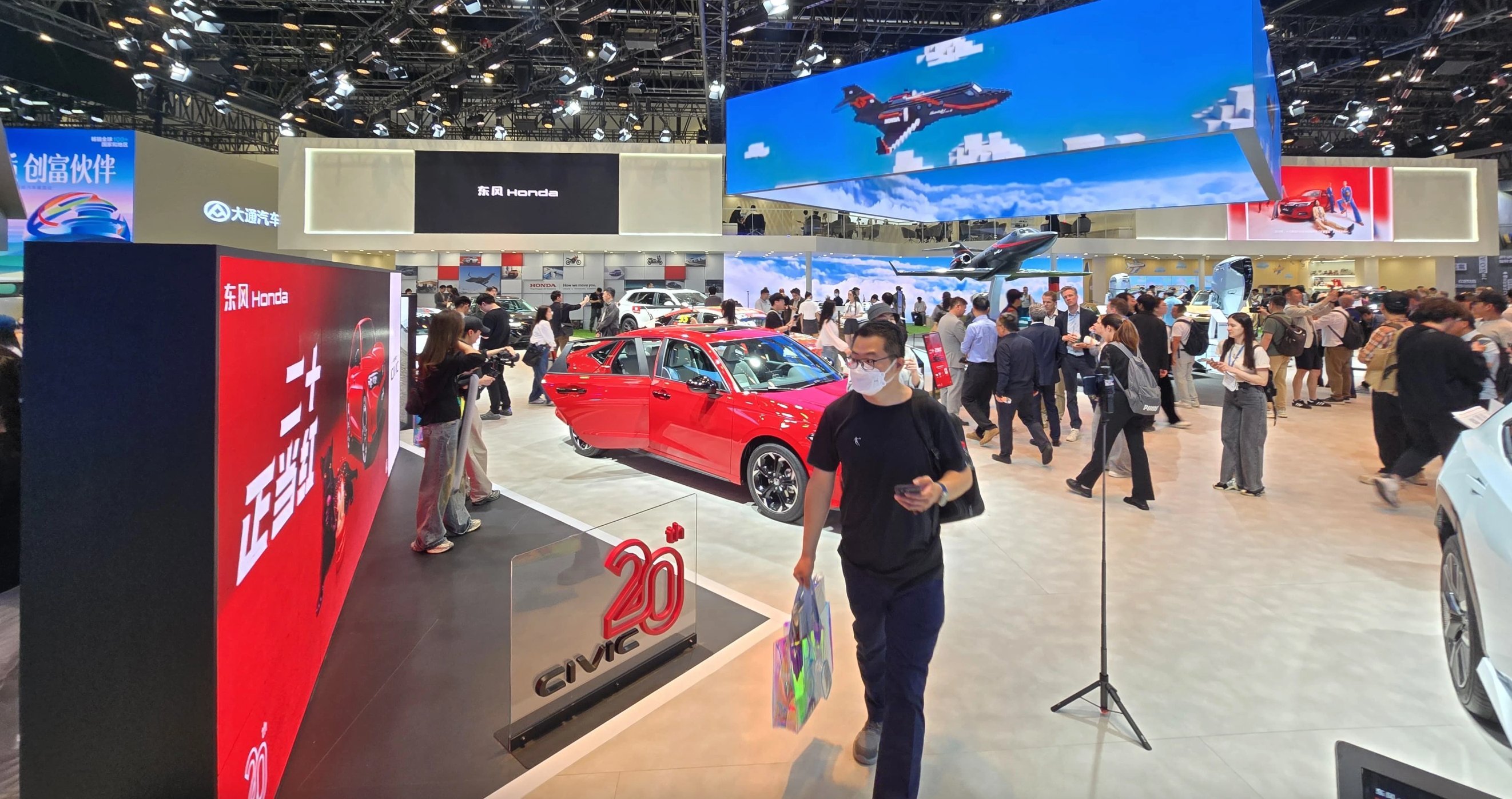
I recently returned from a trip to Beijing and, first and foremost, I was struck by the sheer scale of the event. I am old enough to remember the British motor shows at the NEC and later at ExCeL in London, but the Beijing exhibition centre, especially after its recent expansion, can now legitimately claim to be one of the biggest in the world.
Entire halls were dedicated to brands such as BYD and the Chery Group. More importantly, the atmosphere around the show made one thing clear: Chinese manufacturers are no longer thinking only about their domestic market. Many are developing products, brand strategies and retail plans with Europe very much in mind, and that makes the event increasingly relevant for UK fleet decision-makers.
Here is my pick of the standout brands from the show — and the big question for each is whether they will launch in the UK. For fleet operators, that matters because the next wave of arrivals is likely to influence not only vehicle choice, but also pricing pressure, equipment levels and expectations around charging speed, battery technology and overall value.
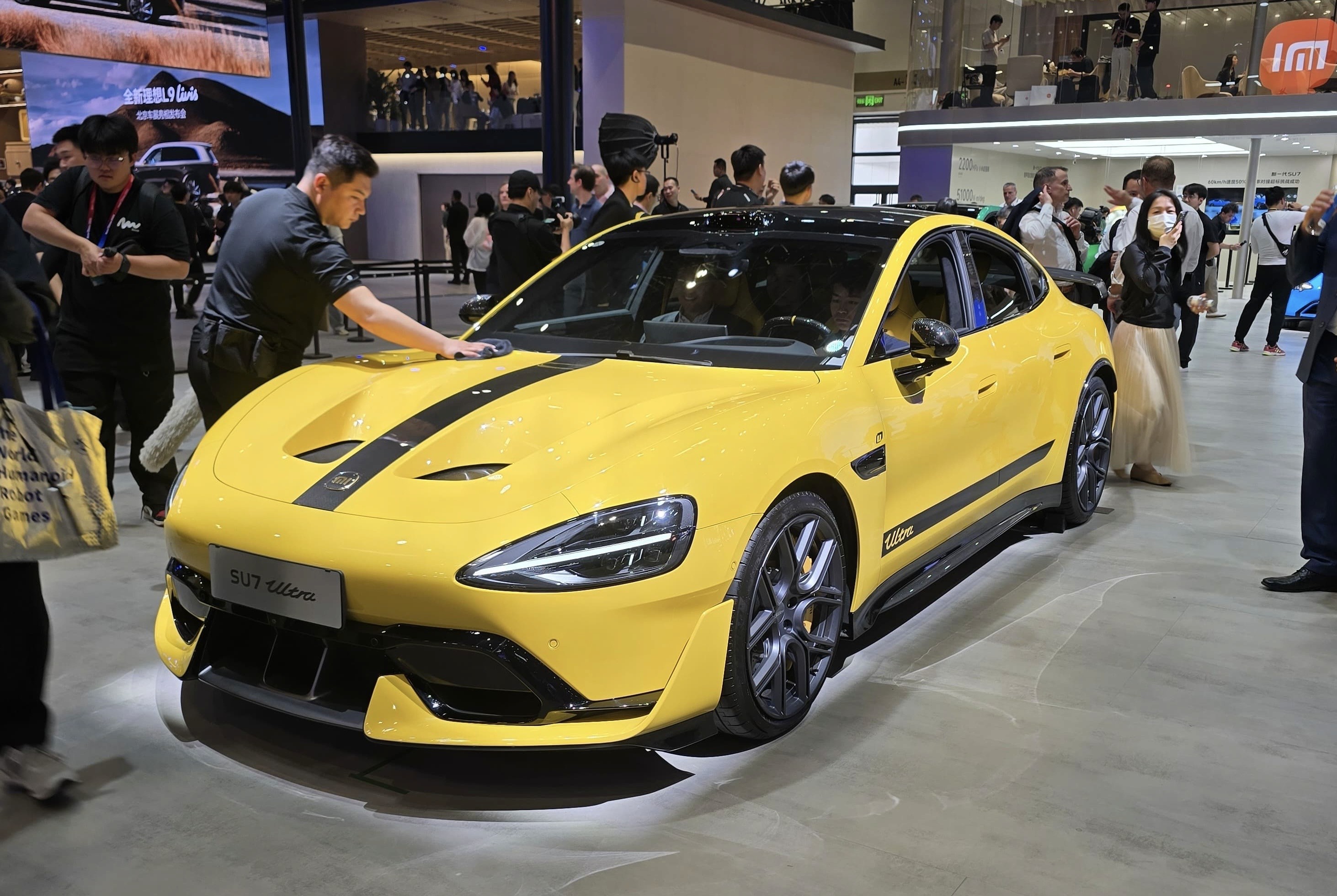
Xiaomi
This company is known for its mobile phones and consumer electronics, but its rise in the automotive sector has been remarkably fast. Its first car only launched in 2024, and Xiaomi was highlighting its YU7 and SU7 models at the show, both of which are gaining real traction in China as homegrown alternatives to the Tesla Model Y and Model 3.
Will Xiaomi come to the UK? Rumours at the show suggested a European launch in the fourth quarter of 2026, with the UK potentially following in 2027. That would be highly significant for fleets, as Xiaomi could offer a credible and competitively priced alternative to Tesla. There is also a wider point here: a brand with Xiaomi’s profile could attract fleet drivers who might not otherwise have considered a Chinese car, simply because the name already carries weight in consumer technology.
The main challenge in the UK, may be its retail model. As in China, Xiaomi sells its cars in shopping centre stores alongside smartwatches, phones and tablets! That approach has been difficult to establish in the UK, with brands such as Polestar and Genesis both finding the non-traditional dealership model challenging.
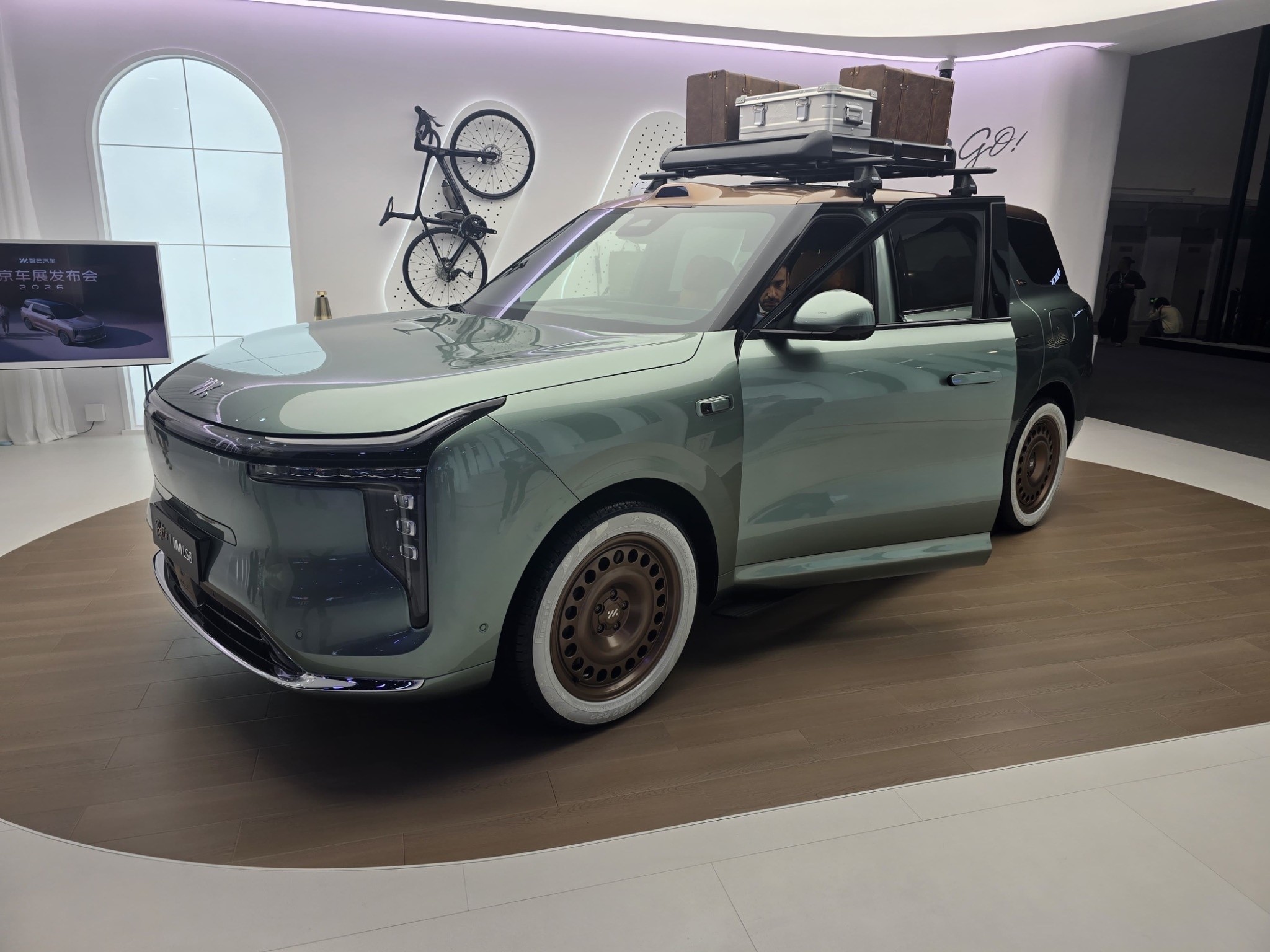
IM
This is a brand that is already present in the UK, with the IM5 and IM6 being sold as MG’s more premium, tech-focused electric sub-brand. However, not all of its range is sold in the UK, and British-market cars are currently sold as MG IM models.
IM had a broad line-up on display in Beijing, spanning both full electric models and range extenders. The facelifted IM6, which is due in the UK soon, attracted plenty of attention, but the most interesting vehicles on show were the LS8 and LS9.
The LS8, likely to be renamed the IM8 for the UK market, was particularly compelling. Its range-extender setup, seven-seat layout, 66kWh LFP battery and 800V architecture give it genuine appeal. If it is priced competitively, it could prove particularly popular with drivers who tow, thanks to the potential for more than 200 miles of EV only range and more than 900 miles when both power sources are used. That kind of real-world usability could make it especially relevant to fleets that want lower emissions without asking every driver to commit fully to a pure EV.
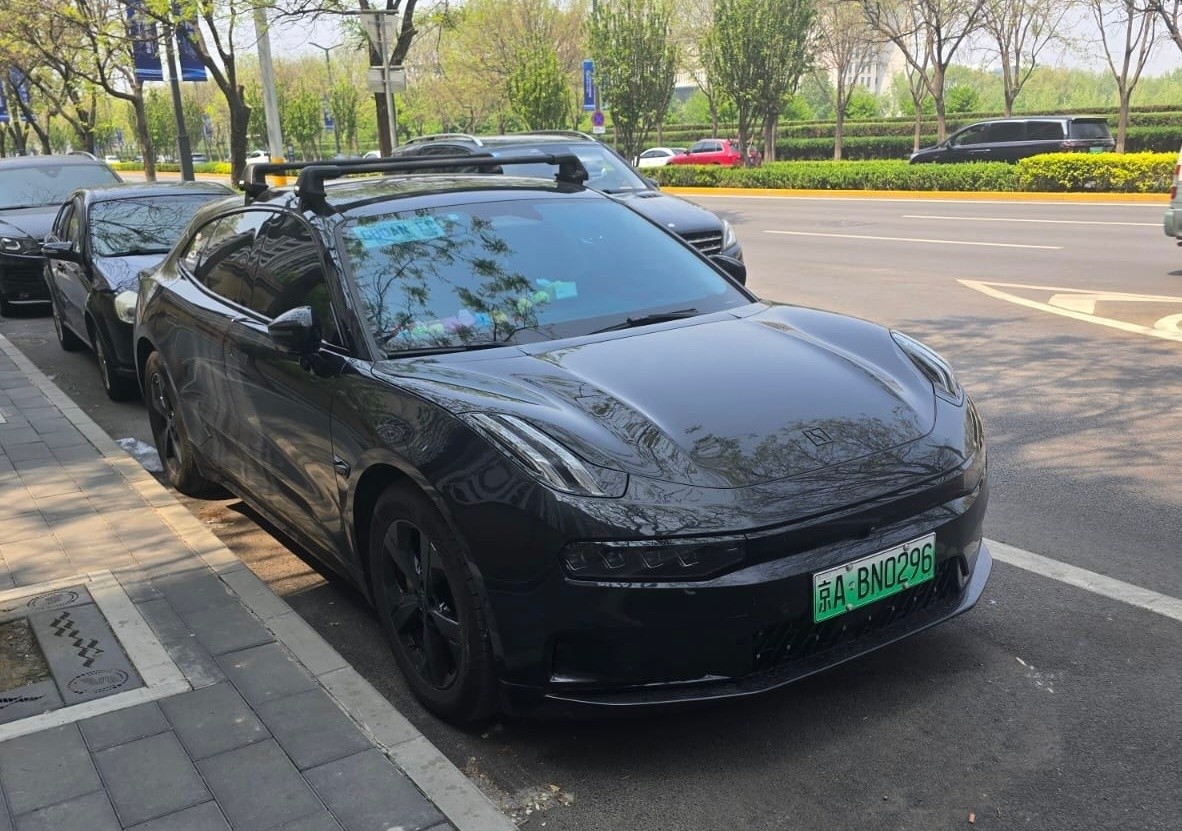
Zeekr
Another brand clearly heading for the UK is Zeekr. Still unfamiliar to many, it is backed by Geely Automotive Group, which also owns Polestar, Volvo and LEVC. Zeekr's products tend to sit at the larger, more premium end of the market, and the first arrivals are likely to be the 001 and X models, both offering a strong range, and rapid charging speeds, that should appeal to fleet buyers.
In many ways, Zeekr looks best positioned to see whether UK drivers are now ready to accept a Chinese badge in the upper end of the market, not just as a value choice, but as a genuine premium proposition. The question, however, is whether Zeekr will win entirely new customers or simply take market share from Polestar, which has already seen sales rise sharply over the past year.
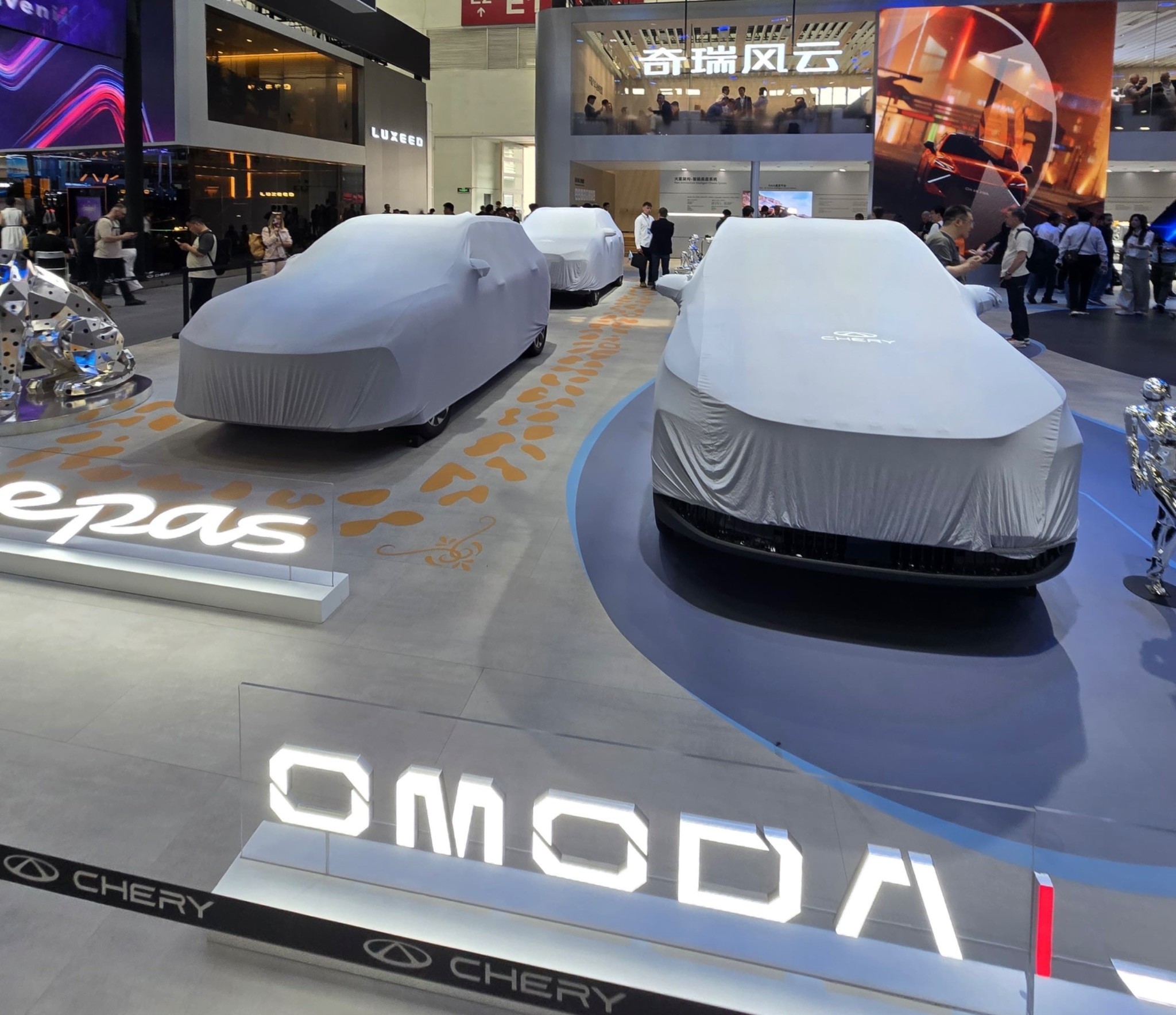
Chery Group
The Chery Group, has enjoyed huge UK sales growth through its Omoda and Jaecoo models. The company used Bejing to introduce a number of new brands that appear to be destined for the UK.
First up, was the Lepas brand, which includes models in both electric and plug-in hybrid form, and shares platforms with several of Chery's existing vehicles.
Chery’s biggest reveal, however, was the new Freelander brand. This combines design input from JLR (Jaguar Land Rover) with Chery manufacturing, which could prove a strong combination for fleets. It may also be an early sign of deeper collaboration between JLR’s owner, Tata, and the Chinese manufacturer.
The Freelander’s bold styling could resonate strongly with company car drivers and perform well in fleet if priced keenly.
Another Chery Group brand on display was iCar. These chunky electric 4x4s brought to mind the iconic Toyota FJ, and the talk around the show was that they could reach the UK as early as next year. Their styling should help them stand out, and a van conversion could be especially attractive to fleets following the recent tax changes affecting double-cab pick up trucks.
Chery increasingly feels less like a single-brand story, and more like a group building a multi-brand strategy for different parts of the market. If it’s executes well, Chery could become one of the most influential Chinese players in the UK over the next few years.
Xpeng
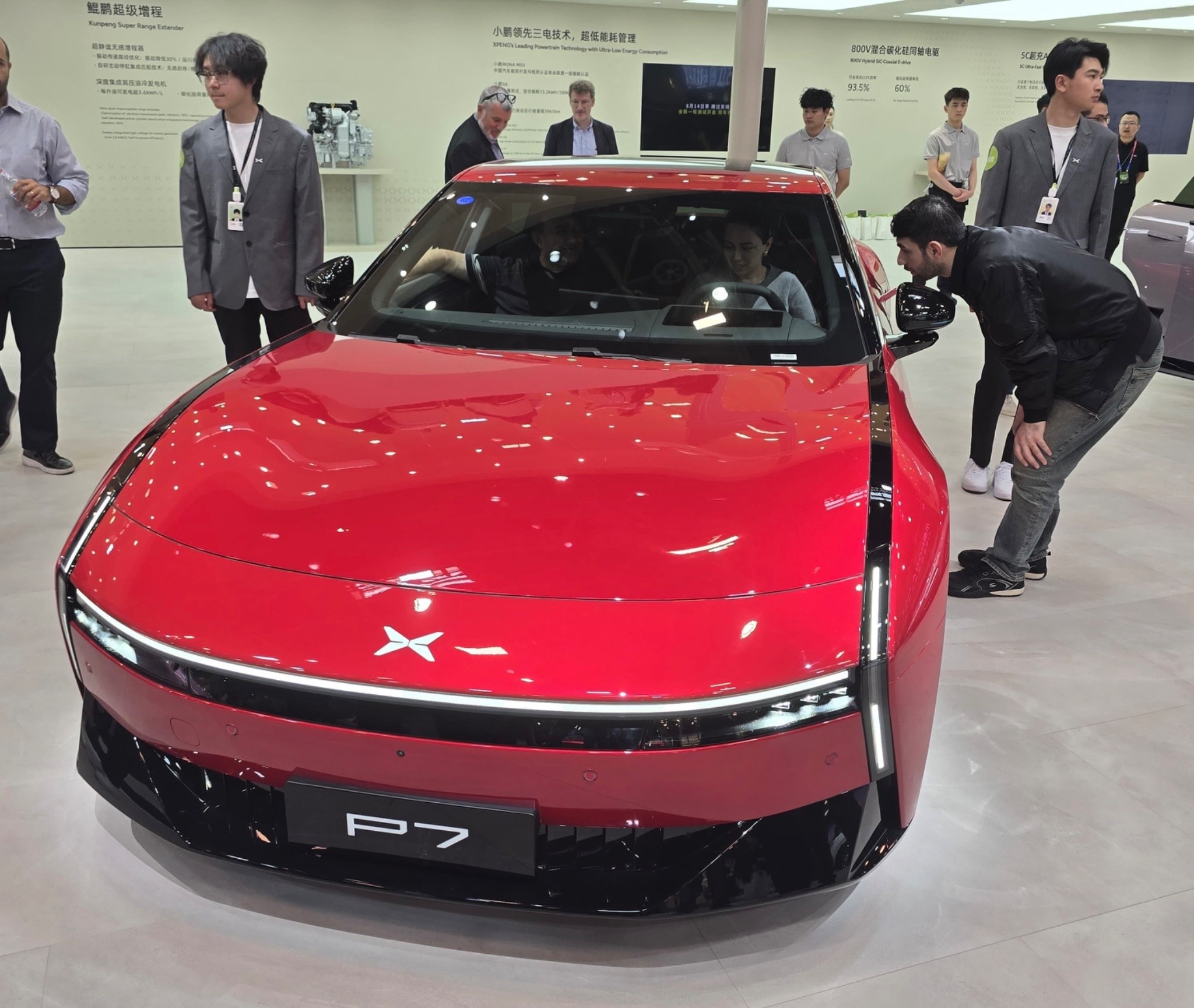
My last pick is Xpeng, another brand that already has a presence in the UK. The revised G6 was on show in Beijing and, having tested the latest model here, I am happy to say it offers a strong value alternative to the Tesla Model Y, with significantly faster rapid charging - a major advantage for fleet buyers looking to reduce time spent at public chargers. Charging performance is still one of the clearest factors affecting driver satisfaction, in day-to-day fleet use.
My prediction is, that Xpeng will expand its UK line-up further, and I would not be surprised to see the impressive P7 and P7+ added in due course.
Overall, I think the next 12 months will be fascinating for fleet drivers, with more choice of Chinese models than ever before and an increasingly strong mix of keen pricing and high specifications. The real question is how Europe’s established brands will respond.
It is no longer enough simply to rely on heritage, dealer coverage or badge appeal when new Chinese entrants are arriving with competitive pricing, advanced battery technology and increasingly polished products. The days when Chinese cars were dismissed as cheap and poorly built are long gone. These brands are already in the UK, and they are coming not just for retail customers, but for fleet buyers as well. For anyone responsible for building a fleet strategy over the next few years, that is a trend that will be impossible to ignore.
Share this
Featured Posts


Explore Topics