Do plug-in hybrids have a place in decarbonising fleets?
Can the latest plug-in hybrids actually deliver on their range claims?

Kevin Booker

Plug-in hybrids (PHEVs) have had a bad rap over the years. Even I have described them as ‘the worst of both worlds’. My exact words were: ‘why add complexity to an electric motor and make it even more complicated to work out how to combine the two?’
To be fair, some clever ideas came from cars like the Mitsubishi Outlander PHEV. Its rear e-axle was very smart, giving it four-wheel drive without complex driveshafts or propshafts. The biggest problem was its short real-world range. The later Outlander claimed 30 miles, but most drivers were lucky to get 20. People also rarely plugged them in, so real-world mpg was significantly lower than the claimed 300+ mpg. Most contemporary diesels offered far more range and efficiency.
There were outliers, such as the original Vauxhall Ampera and Chevrolet Volt, which had good electric range and efficiency. And who can forget the super-rare original Polestar 1? That would have set you back £135,000 at launch, but it could deliver 77 miles of fully electric range.

Jump forward a few years and a lot has changed, largely due to the ever-decreasing cost of battery packs and increased energy density. PHEV versions of the Golf or Passat can now easily exceed 50 miles of electric range. When the average UK commute is just under 20 miles, you could cover it by charging a couple of times a week.
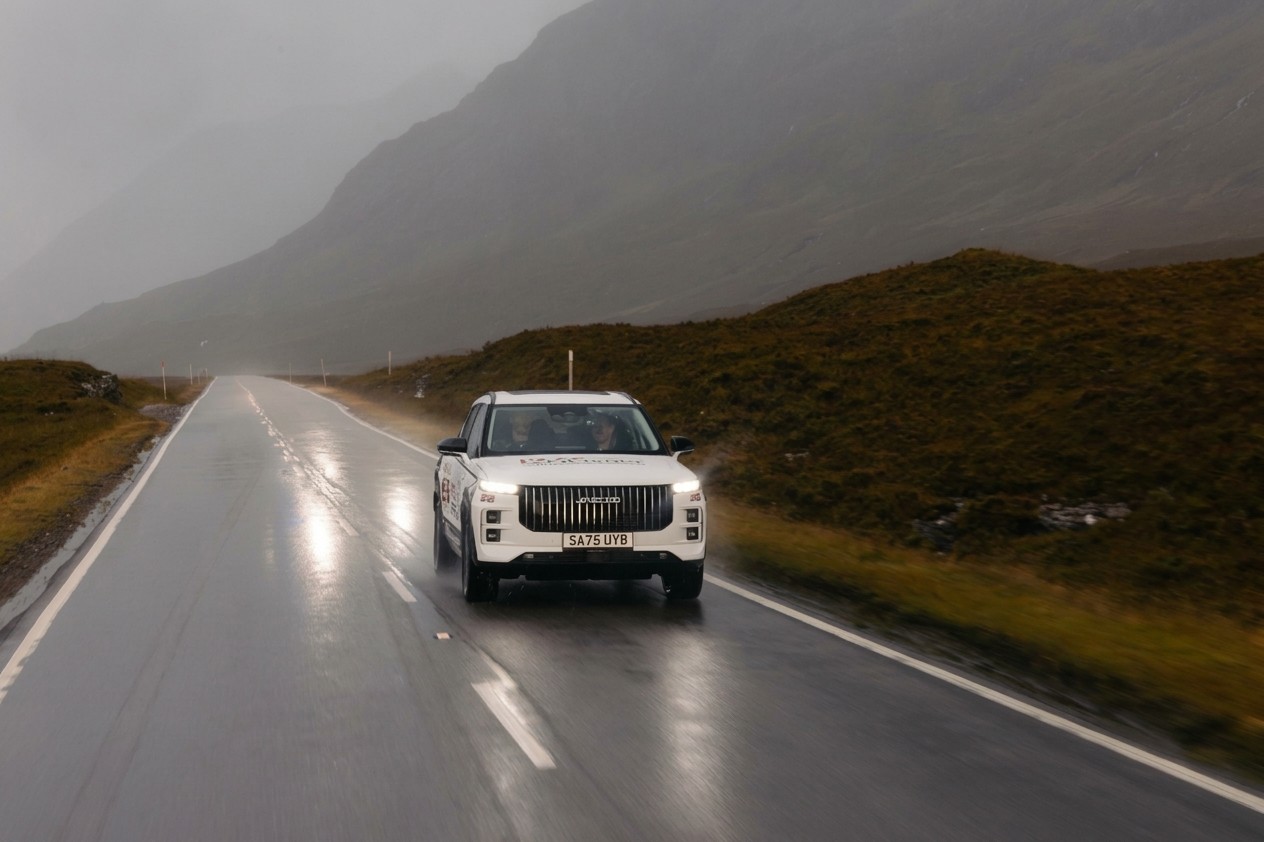
The biggest increase in availability has come from Chinese manufacturers, with The Chery Group having Chery, Omoda and Jaecoo models available. In fact, the Jaecoo 7 PHEV has been topping the UK sales charts. With 56 miles of electric range from its 18.7kWh battery pack – larger than the 16kWh pack in the original Mitsubishi i-MiEV EV – it shows perfectly how far we have come in the last decade. But can PHEVs finally keep up with diesel and deliver the epic ranges we saw back in 2016? I would describe that year as peak diesel, when 60+ mpg was easily achieved by many models.
That is why I wanted to see whether the new generation could back up its claims in the real world. Range figures are one thing on paper, but only proper mixed driving shows whether the technology actually works.
With that in mind, when Omoda/Jaecoo called to ask how far one could go with Sam Clarke and me behind the wheel, I jumped at the chance. Who wouldn’t, with a test track at your disposal for a couple of days?
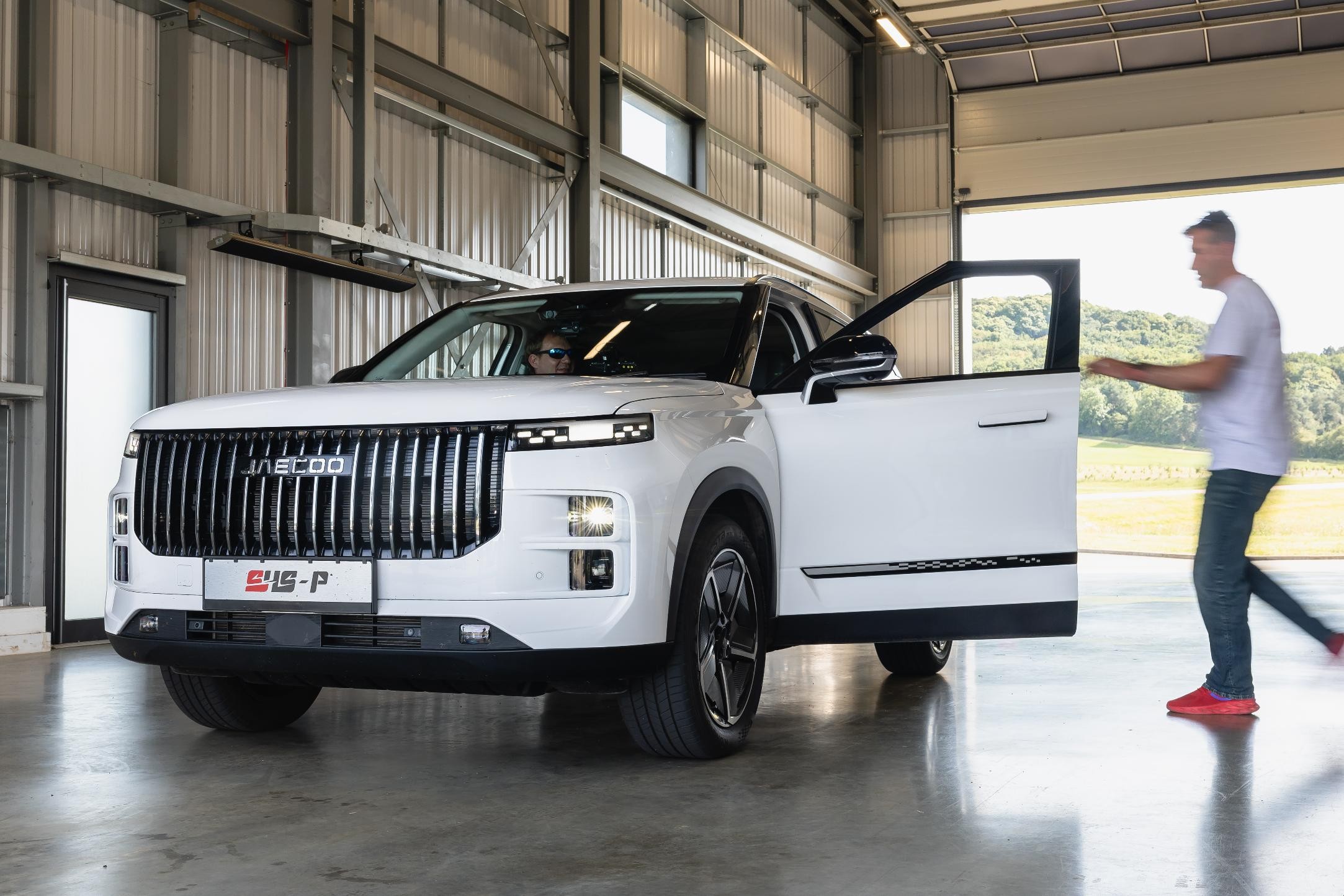
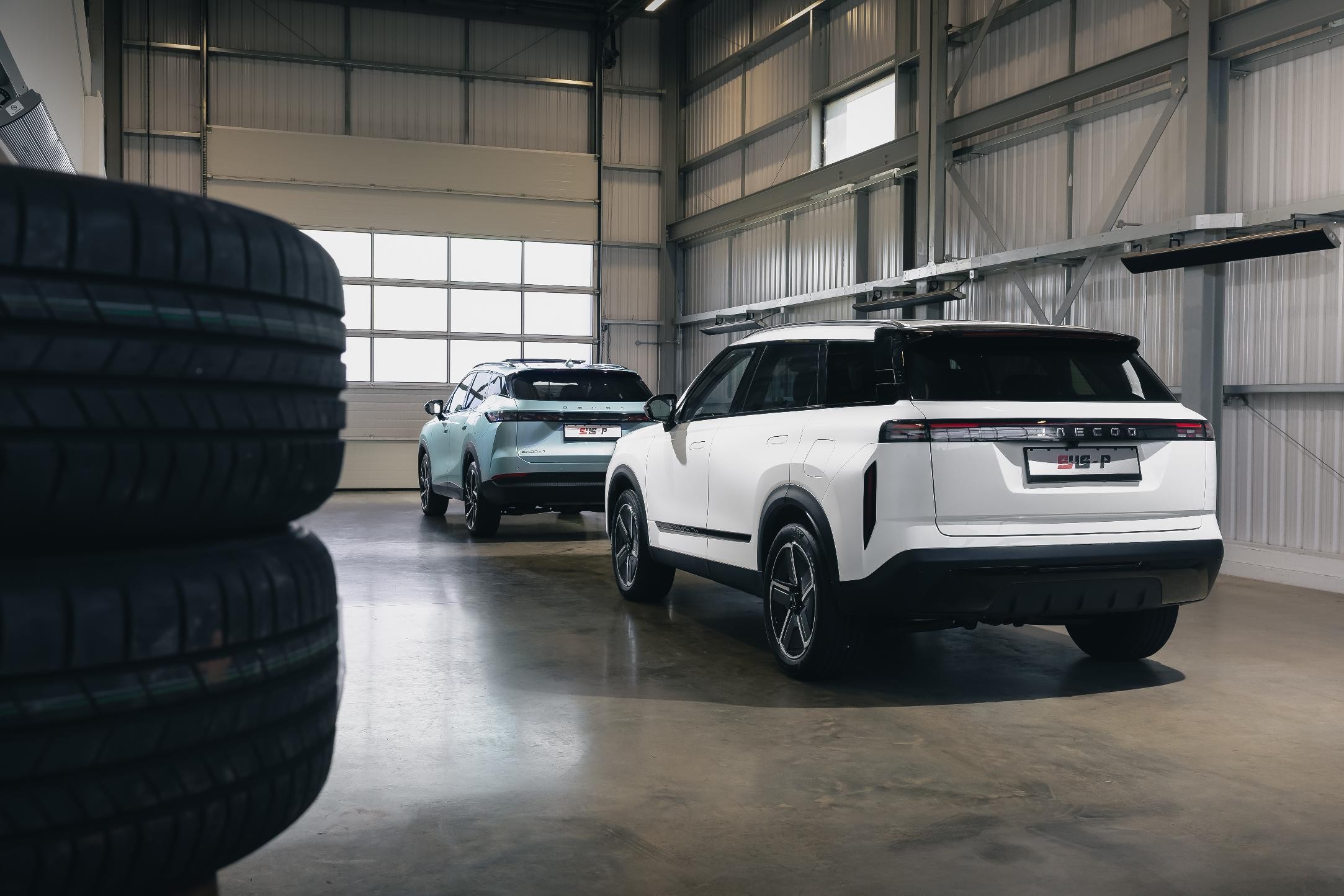
Let me set the scene: two cars, the Jaecoo 7 and the Omoda 7, both fully charged and fully fuelled, and one test track – Millbrook Proving Ground. This was not going to be a typical test. We wanted it to be as realistic as possible, so there was no going round the high-speed bowl at 50mph. We aimed for real-world use, mixing in the Alpine circuit.
I would love access to a test track for all my reviews, as it’s on these challenging roads that you really find out what a car can do. This is where the clever Super Hybrid System comes into its own, regenerating a lot of energy downhill that would have been wasted as heat in a conventional ICE car.
For those not familiar with the Alpine circuit, it is where they filmed the multiple Aston Martin rolls in the James Bond film Casino Royale, Daniel Craig’s first appearance as Bond. But I digress.
So, how far did they actually go? Thanks to a great team effort and many driver swaps, the Jaecoo 7 managed 828 miles – an 11.14% uplift on WLTP – and the Omoda 7 managed 770 miles, a 10% uplift.
So when people say you can’t beat WLTP with a PHEV, I believe you can. My conclusion is that the new generation of plug-in hybrids definitely has a place on fleets during the transition to BEV. That place sits in the space once occupied by the mile-munching diesel, especially for those who don’t have time to stop and are on the road all the time. EVs are definitely getting there, but for those who still have a bit of range anxiety, PHEV is a useful gateway.
Share this
Featured Posts


Explore Topics