Kia PV5 Passenger review
Kia’s first electric van is easily as impressive as its cars.

Martyn Collins

After almost 35 years of selling cars in the UK, Kia wants also wants to be known for its PBVs, or Purpose Built Vehicles, and the PV5 van is the first. This is passenger-carrying version, which is up against Volkswagen’s ID.Buzz. The Kia is the cheaper option - but is it better?
Design and interior
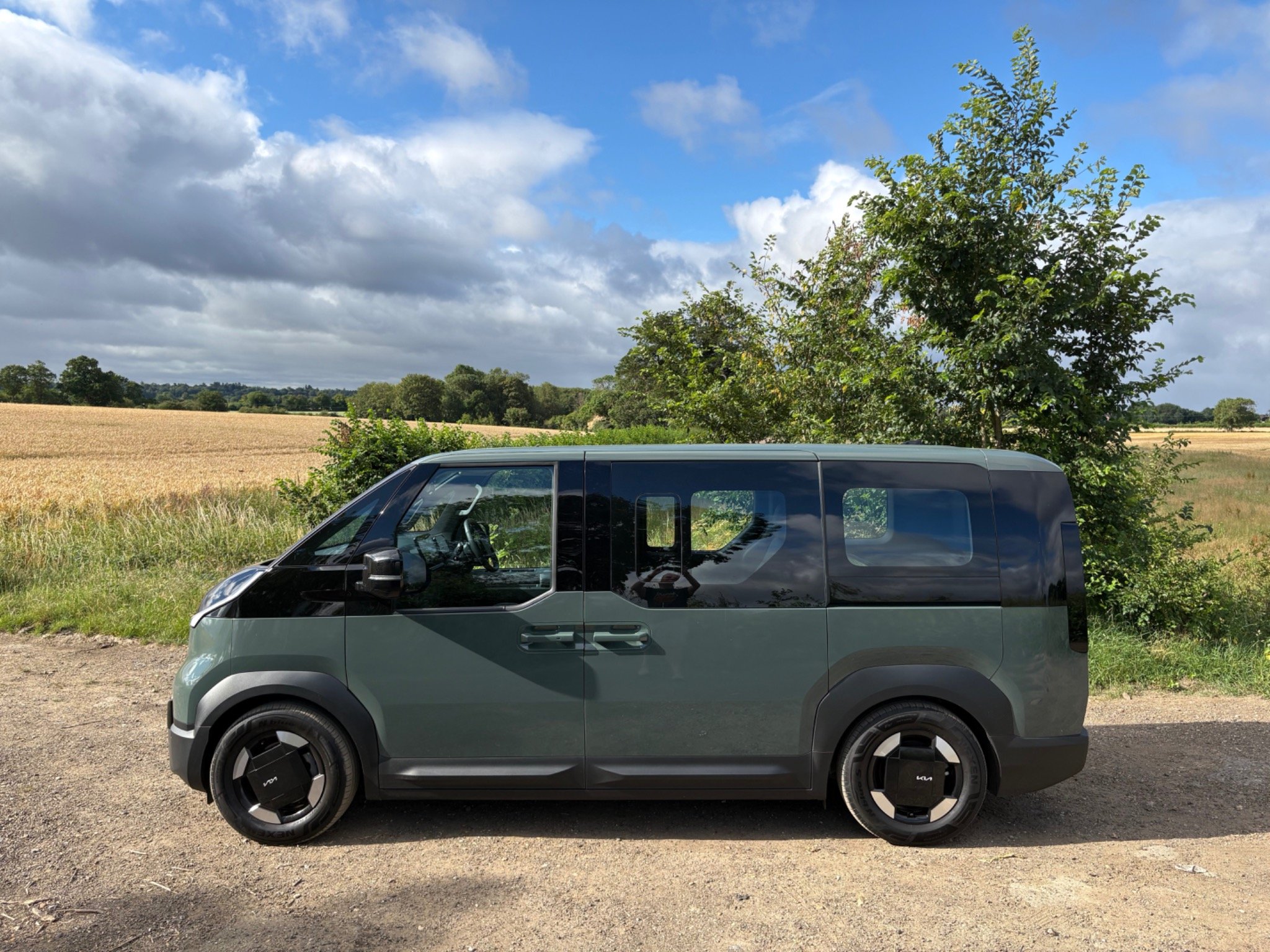
Outside, Kia has blended its ‘Opposites United’ design language, with the more upright dimensions of a van. The result is futuristic, not retro like the Volkswagen, and we’re pleased to say it looks like no other vehicle on the road - which is a good thing.
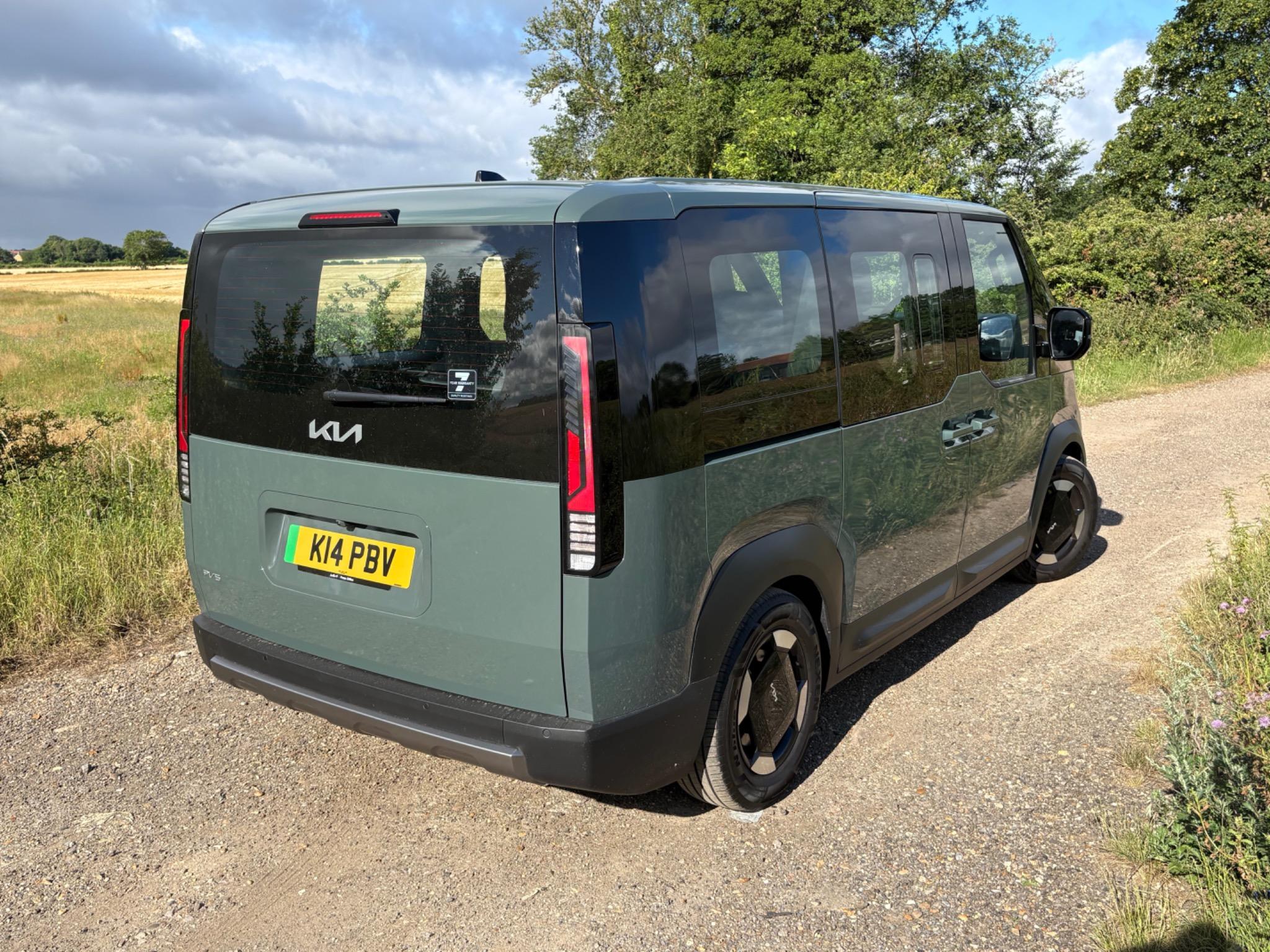
In our opinion, the PV5 looks best from the front, with its distinctive, vertical light signatures, hidden lower headlights and chunky front air dam. Other design highlights, include the flush windows and low side window line, sculpted wheel arches and chunky lower plastic cladding. The rear styling is the only disappointment, as the vertical rear lights are the only standout feature.
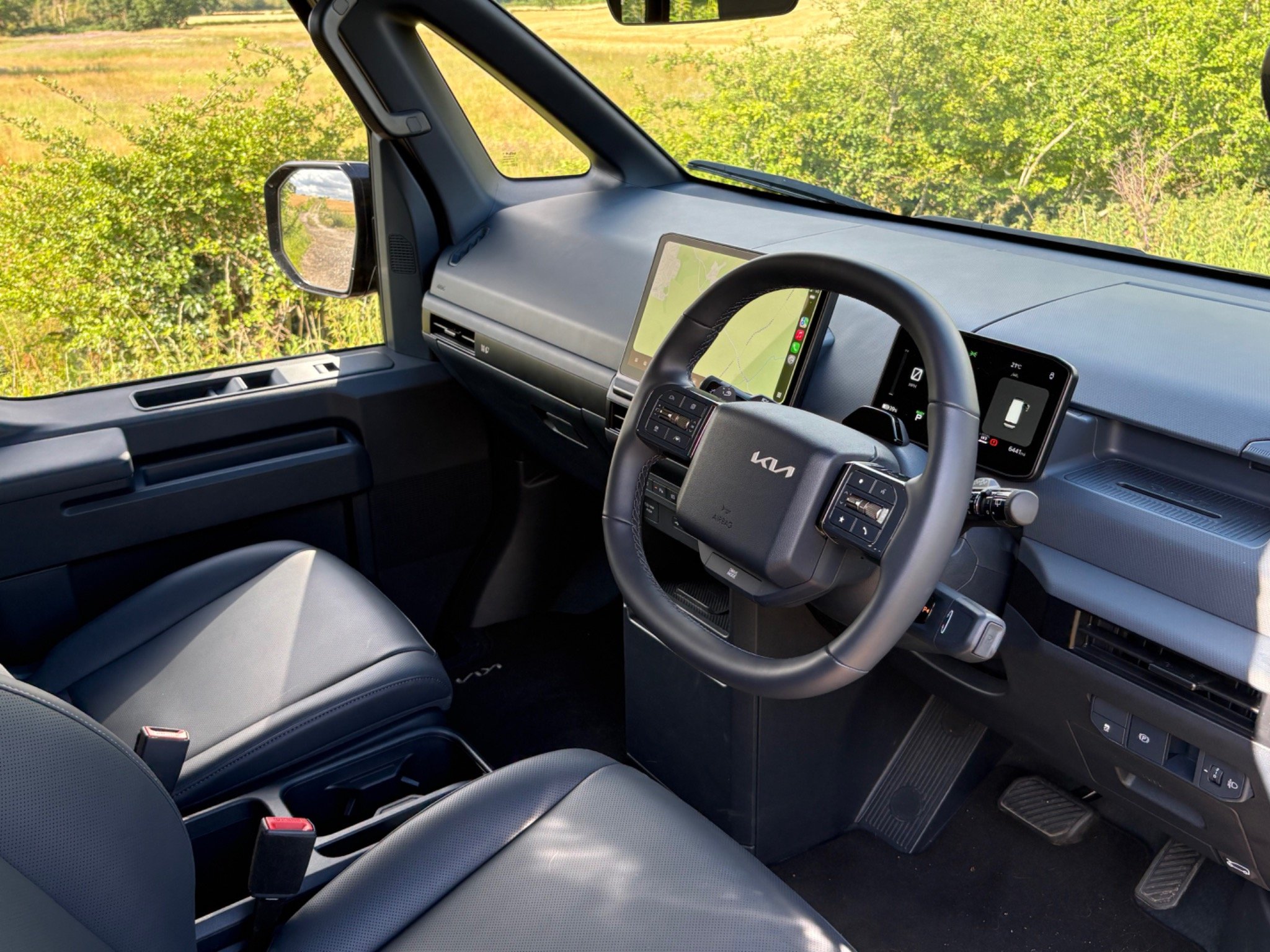
Inside, despite the harder plastics, the PV5’s well-equipped interior feel is much the same as Kia’s passenger cars. That is largely thanks to the because the two dashboard-mounted displays: a smaller 7.5in instruments dispaly, and an easy to operate, 12.9in central infotainment screen. Other highlights, are the car-like driving position, which on our range-topping ‘Plus,’ included electrically adjustable front seats, and an adjustable steering column.
There is also plentiful stowage in the front, with highlights including a the mobile phone tray and wireless charger, plus a large lower dashboard drawer. The only disappointments are the lack of physical controls for the ventilation, and the fact you can only have the dull grey interior trim. That said, the PV5’s interior feels well made.
Move to the back of the PV5 and, considering its size, we believe this Kia should really have a second row of rear seats (which it will get later this year). Still, the three that are fitted offer impressive levels of head and legroom, while the two outer seats are heated. The low window line also makes the PV5 feel more like an MPV than a van.
At 1,330 litres, the PV5’s boot is massive - much bigger than the Volkswagen’s. However, you do have to take into account the wide opening of the large tailgate.
Performance and Drive
Underneath, the PV5 is built on a commercial version of the Kia’s E-GMP (Electric Global Modular Platform), although here it uses a 400V electrical architecture rather than 800V architecture found in some of Kia’s passenger EVs.
The Standard Range 51.5kWh battery is officially only good for 183 miles officially, and is likely to be a bit less on the road. We’d choose the Long Range version that we have here, with its 71.2kWh battery, and an official range of 256 miles, although expect closer to 200 miles in everyday use. That is still a useable figure, but less than the ID.Buzz.
When it comes to charging, the PV5 disappoints, as has a maximum charging rate of 150kW - slower than the Volkswagen’s, Still, it can charge from 10-80% in just 30 minutes on a rapid charger.
Choosing the Long Range battery also gives this Kia the bigger 161hp motor. Although willing, the PV5 doesn’t feel that sprightly, as reflected by its 10.7 second 0-62mph time. Once on the move, however, performance is more than adequate.
Even on the modest standard 16in wheels, the ride feels oddly bouncy at motorway speeds. There is some body roll, but the PV5 feels predictable, safe and secure. Our only issue with the driving experience, was the thick front roof pillars, which do interfere with visiibility. Overall though, this Kia impressed with its all-round visibility, and is surprisingly easy to park.
An extra row of seats will give the PV5 the additional practicality it deserves - but at what cost to rear and boot space? Even so, the passenger version of the PV5 looks great, is impressively spacious, good to drive, and surprisingly affordable. We’d choose it over the more expensive Volkswagen.
Positive: looks great, spacious and practical interior, easy to drive, affordable.
Negative: Unsettled ride, no six-seat option (yet), no physical ventilation controls, thick front pillars compromise visibility.
Standard equipment: 16in alloy wheels, 7.5in driver display screen, 12.9in touchscreen navigation, heated front and rear outward seats, LED headlights, heated steering wheel, automatic air-conditioning, blind spot collision avoidance assist, highway driving assist 2, lane keep assist.
Model | Kia PV5 71.2kWh Plus |
|---|---|
P11D | £39,410 |
Range | 256 miles |
CO2 (BIK %) | 0g/km (3%) |
BIK 20/40% a month | £26 / £53 |
Luggage capacity | 1,330 litres |
Battery size / power | 71.2kWh / 161hp |
Share this
Featured Posts


Explore Topics