Half of surveyed drivers ready to go electric
Cost savings the top motivator for potential EV buyers.

Martyn Collins
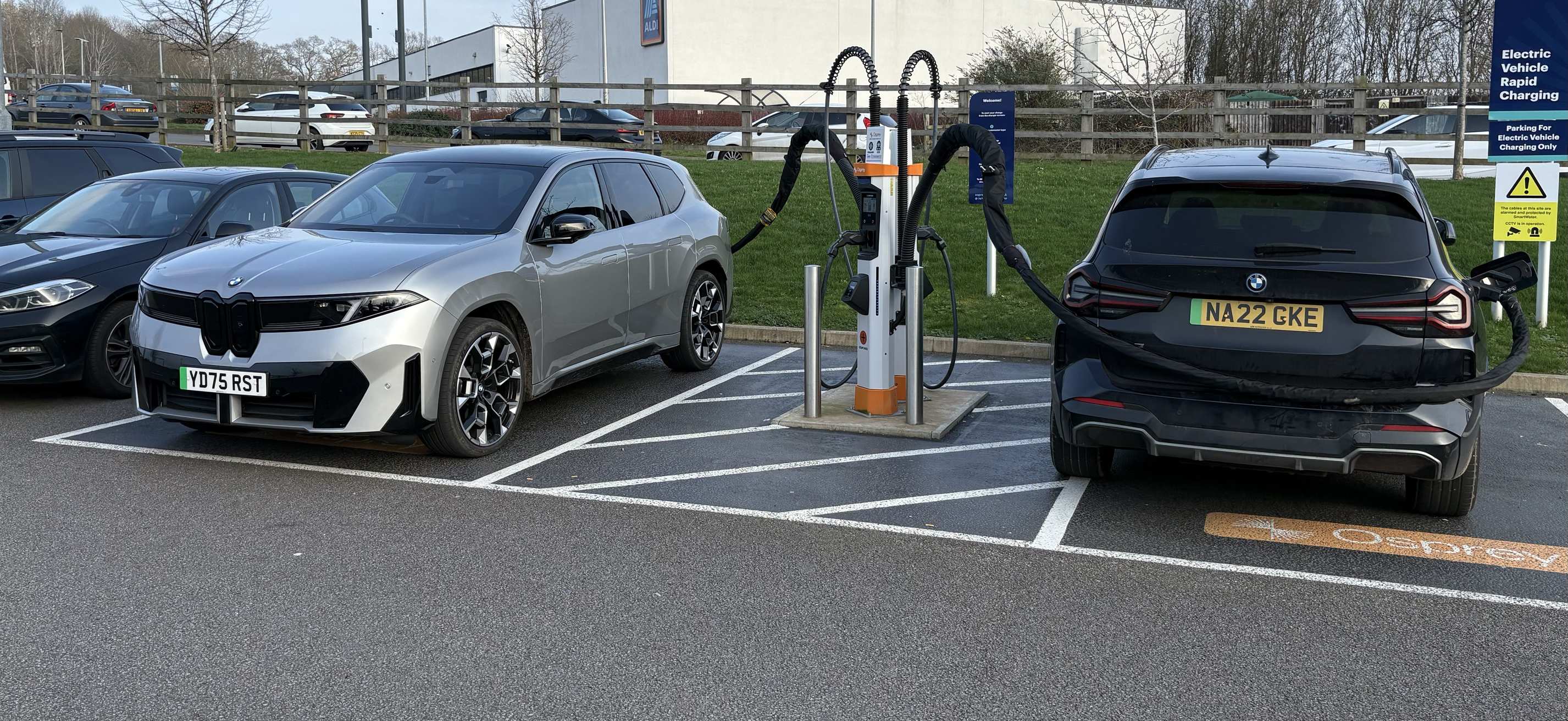
With the Department for Transport (DfT) reporting that the UK had surpassed the milestone of two million licensed zero-emissions vehicles last month, and the Society of Motor Manufacturers and Traders (SMMT) also reported that the number of battery electric vehicles was up by almost 60% (59.1%) year on year - both largely as a result of fleet uptake - Alphabet, a division of BMW Group and a leading provider of multi-make business mobility solutions that is supporting the Department for Transport’s (DfT) EV awareness campaign, has found that drivers are genuinely positive about electric vehicles. The data was collected while talking with supermarket customers participating in a government awareness campaign.
They found that more than 50% of shoppers said that they were ‘likely’ to purchase an EV within the next 12 months. When asked to elaborate as to what was attracting them to an EV now, 30% of respondents said it was the promise of more affordable motoring, improved charging infrastructure was a factor for 26%, and 19% said said it was the prospect of sustainable mobility.
When asked what had stopped them buying an EV so far, 42% of respondents said it was down to the higher list price of an EV compared to a petrol or diesel-engined car, while another 23% citied concerns about the UK’s nationwide charging infrastructure.
Caroline Sandall-Mansergh, Consultancy and Channel Development Manager for Alphabet (GB), said of these finidings: “It feels like the stars are aligning on EVs right now: world events are affecting fuel prices, which is hitting people in the pocket. Additionally, there’s far greater price parity between EVs and their petrol and diesel counterparts, and there’s a notable increase in the number of EVs on the market compared to this time last year.
“The data captured from shoppers reveals that lots are positive about owning or driving an electric vehicle. And while there are still many some challenges around residual values and uncertainly regarding future tax implications, drivers can see the huge investment into the charging infrastructure and the significant leaps in vehicle range. These help to dispel the misconceptions around owing an EV.”
Share this
Featured Posts


Explore Topics