The new BMW i3: the 3 Series is dead, long live the 3 Series
Over 550 miles of range. Ten minutes for a 248 miles top-up. The most significant BMW in decades is nearly upon us — and it's got some serious numbers to back up the hype.

James Holland
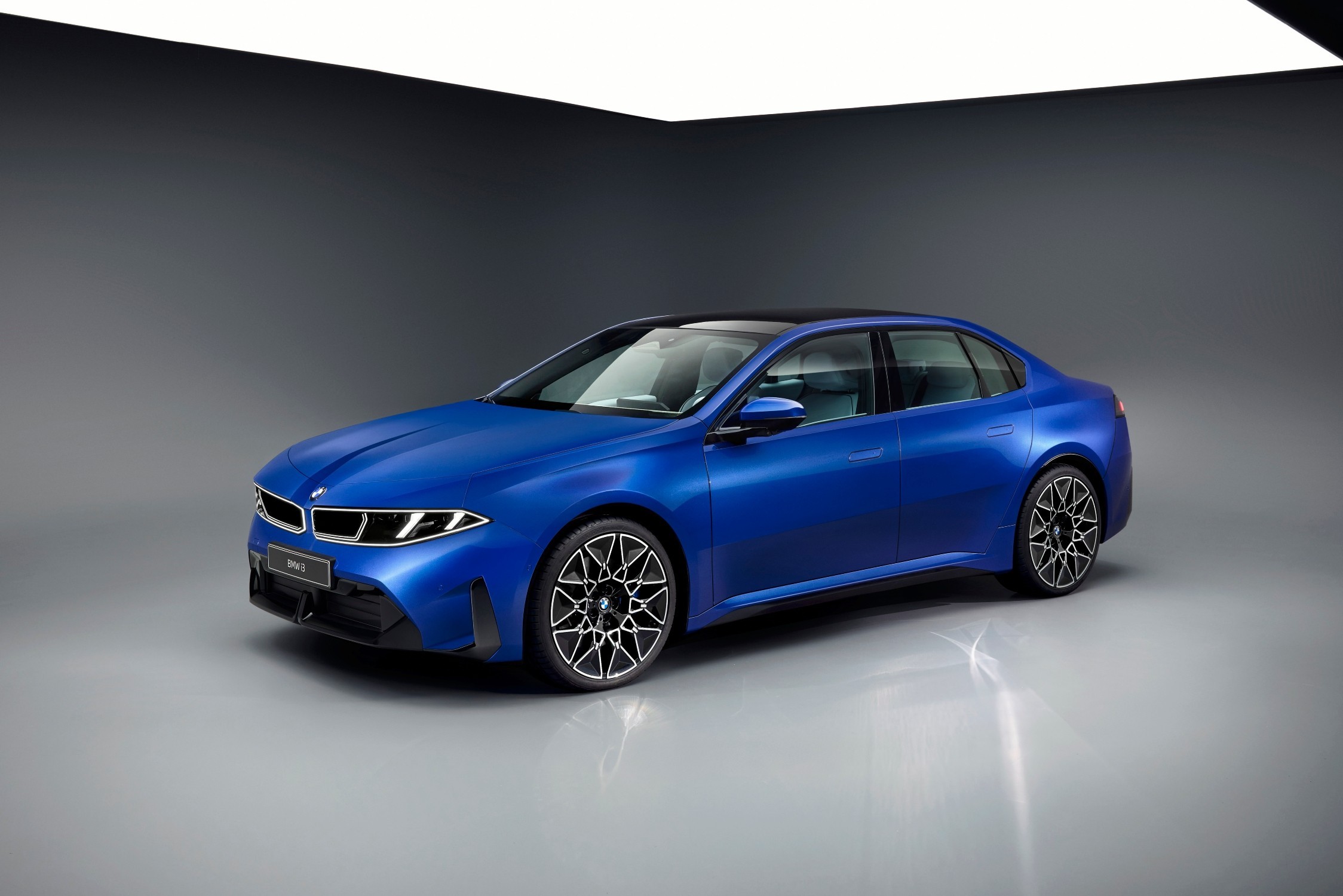
There's a particular type of corporate announcement that sets off alarm bells. Words like "transformative" and "new era" tend to appear, accompanied by renders that make everything look impossibly sleek, and quotes from executives that say a great deal without actually telling you anything. There was always a risk that BMW's Neue Klasse rollout would follow suit.
And then the iX3 turned up and was, frankly, rather brilliant. So suddenly people are paying proper attention to what comes next. Which is this — the fully electric BMW i3, effectively the new 3 Series, except it isn't really a 3 Series at all. It's built on an entirely new platform, it looks unlike anything BMW has made before, and it's making claims that would have seemed fanciful even a couple of years ago. Whether it can actually deliver is another matter, but on paper at least, it's hard not to be impressed.
How does it look, then?
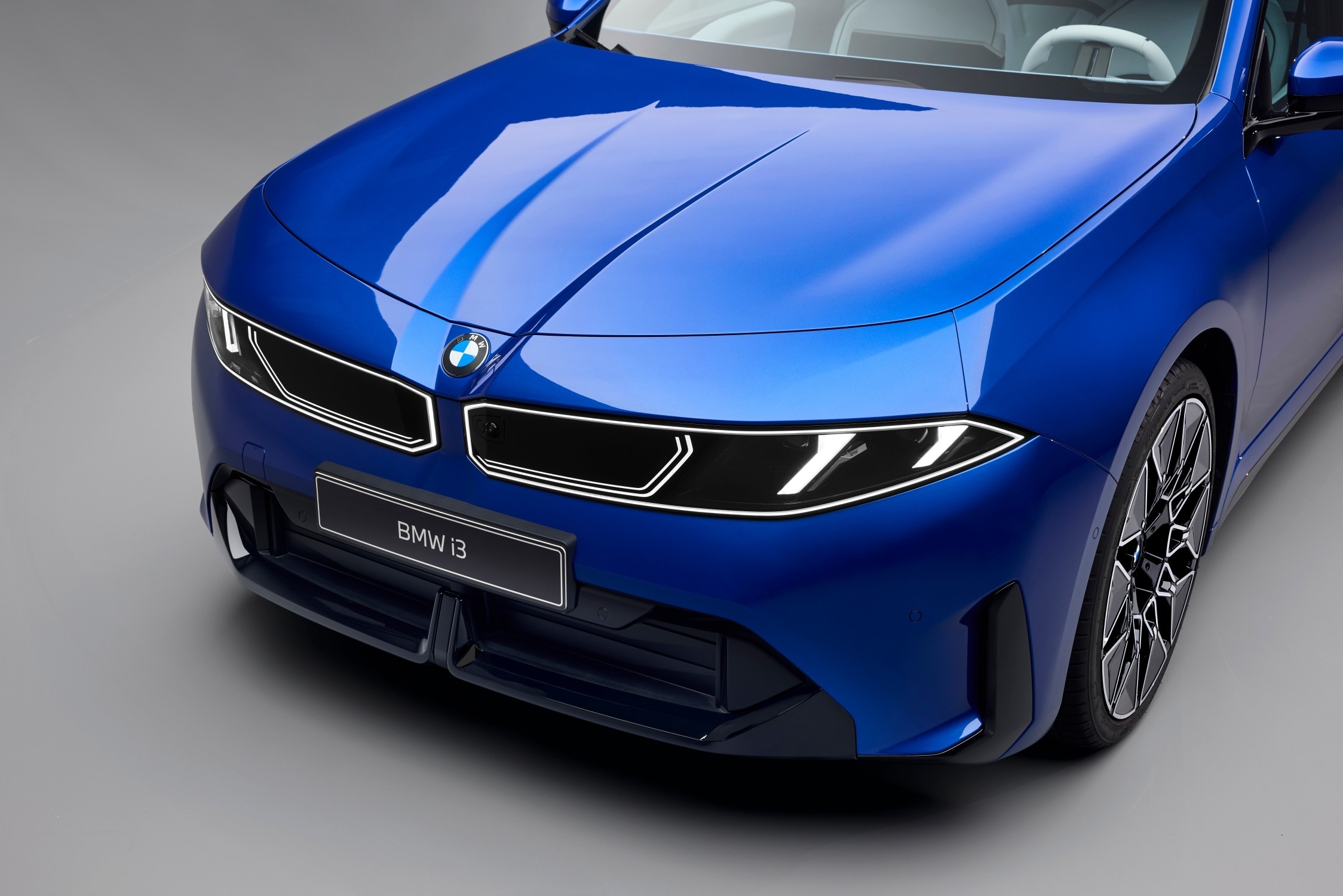
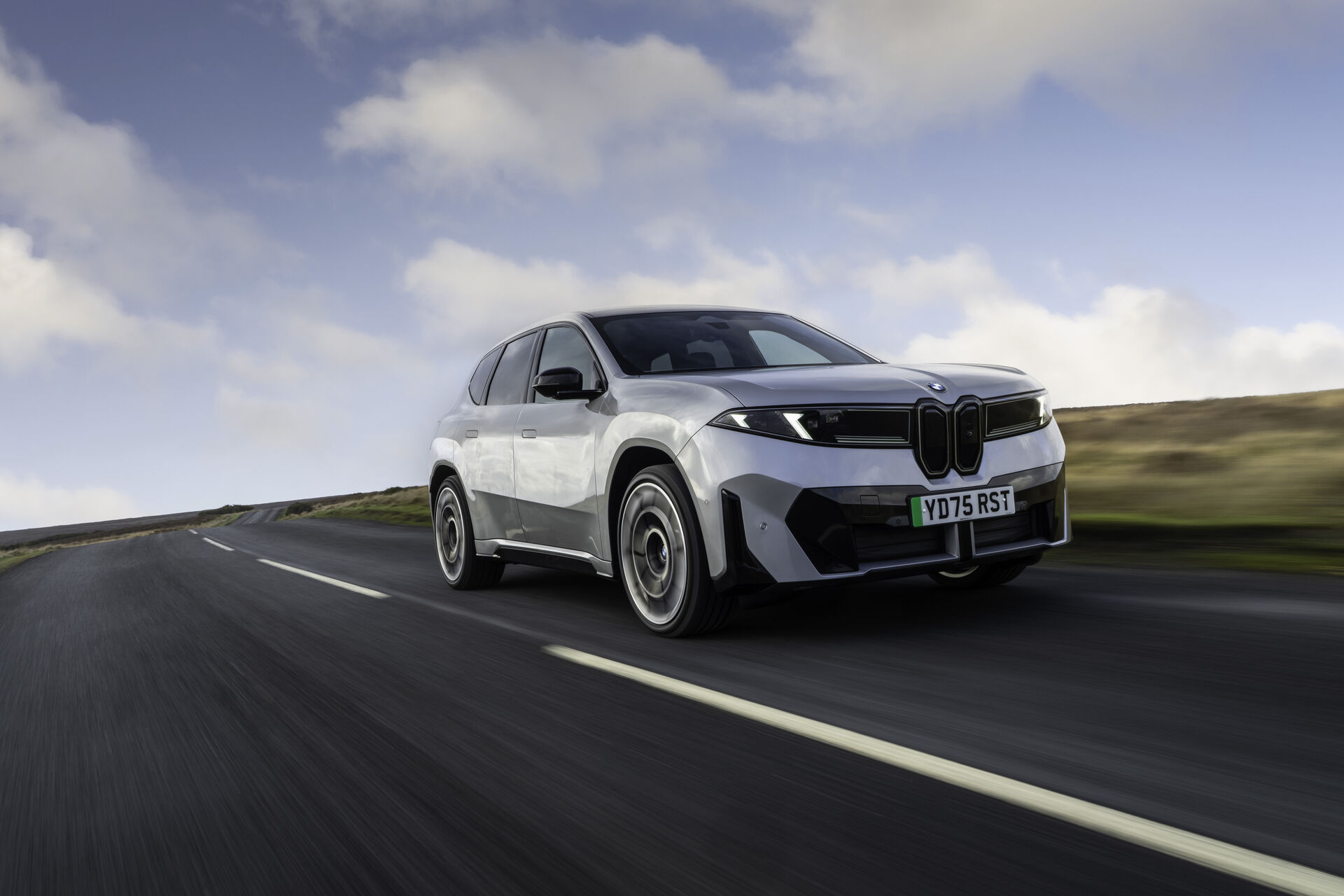
Great, actually. The front end is the boldest change, the kidney grille and headlights have been merged into a single unit. This sounds like the sort of thing that shouldn't work but somehow does. The nose pitches forward sharply, the wheel arches are properly flared rather than just hinted at, and the proportions are longer and lower than the outgoing car. It looks like something that means business without trying too hard about it, which is exactly what a 3 Series successor ought to look like.
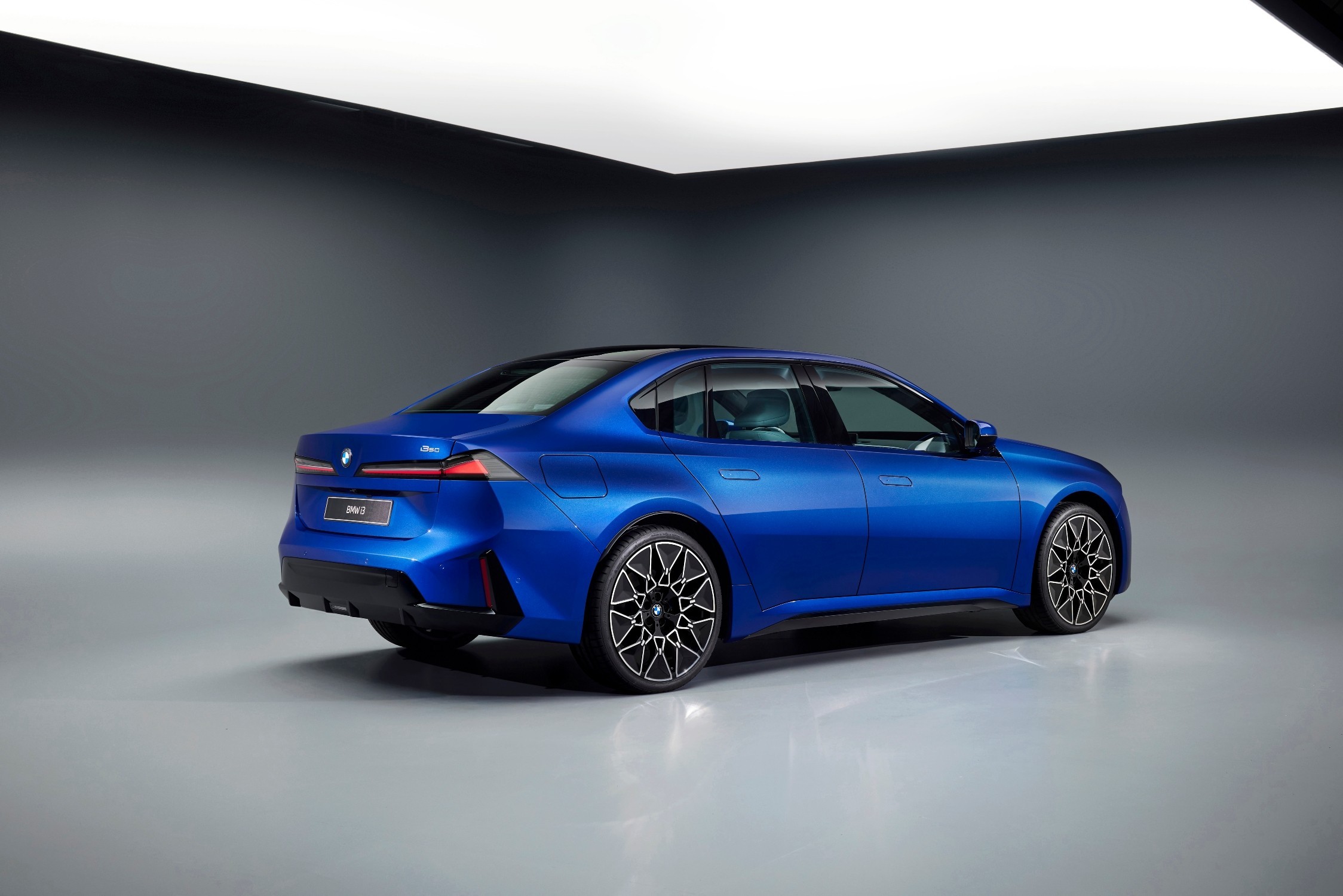
The rear is tidier still, with wide horizontal lights, clean surfaces and the BMW roundel sitting in a neat sculpted recess in the bootlid. Nothing overwrought. It'll date well, which is more than can be said for a few recent efforts from Munich.
The interior is where things get genuinely interesting
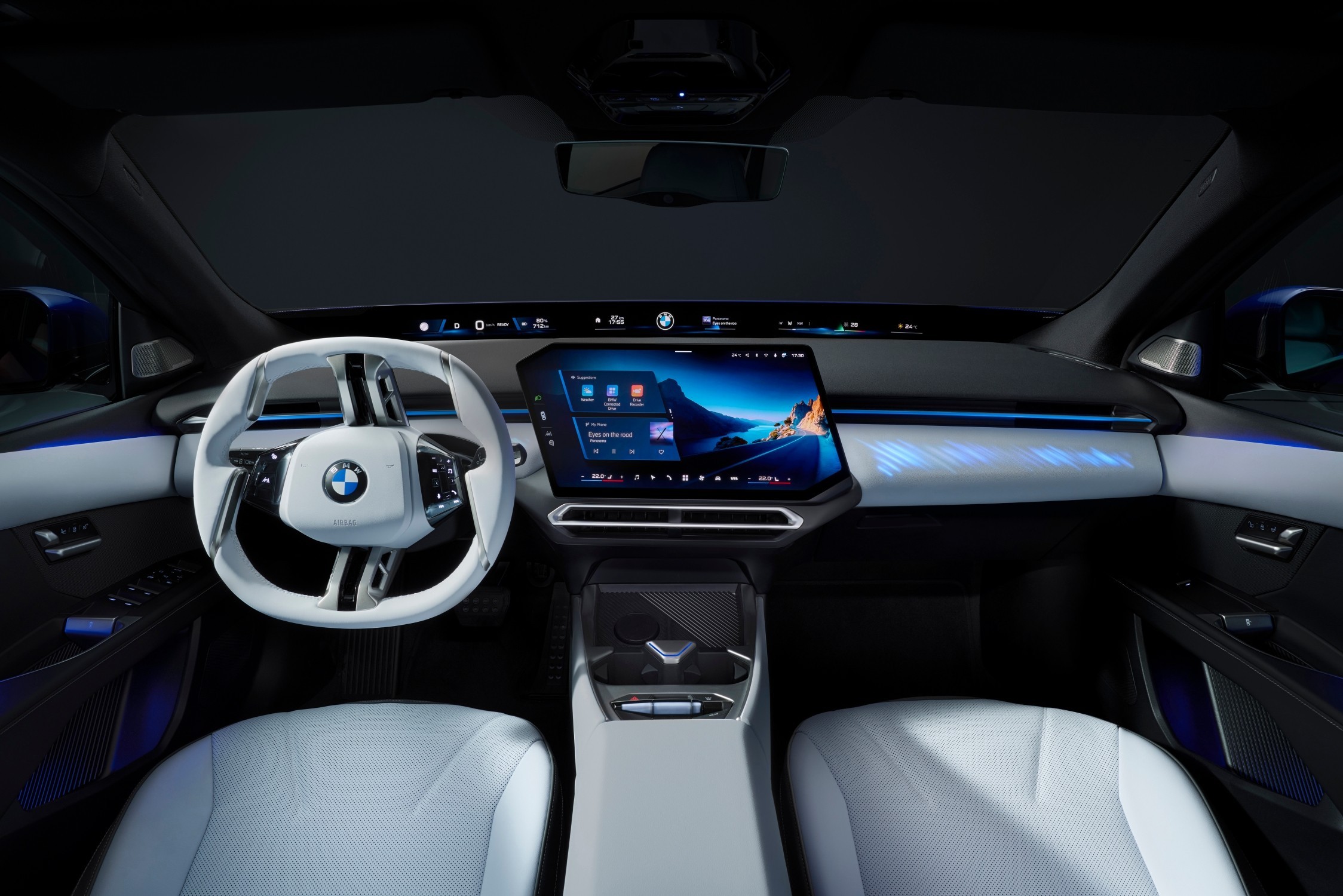
BMW has gone all-in on the technology here, and for once it doesn't feel like tech for the sake of it. The centrepiece is the Panoramic iDrive setup: a 17.9-inch central display paired with a head-up system that projects across the entire width of the windscreen, from A-pillar to A-pillar. On paper that sounds like a migraine waiting to happen, but early word suggests it's been calibrated sensibly. The dashboard wraps around the occupants in a properly driver-focused way, which is quietly reassuring at a time when far too many electric cars feel designed by people who'd rather you didn't bother driving them at all.
Amazon Alexa is integrated into the voice control. Whether that's a selling point or a concern rather depends on your relationship with smart speakers.
The range and charging figures are impressive
Up to 559 miles on the WLTP cycle. BMW is careful to flag these as provisional, no binding figures exist yet. Real-world numbers will naturally be lower, as they usually are. But even accounting for that, this is a remarkable claim. The 800-volt architecture enables charging at up to 400kW, and BMW says 10 minutes plugged into a suitable rapid charger puts 248 miles of range back in the battery. If that stands up to scrutiny when we eventually test it properly, the conversation around electric car range anxiety becomes rather academic.
Bidirectional charging is also included, meaning the i3 can feed power back to your home when it's sitting on the drive. It's a feature that's been promised on various cars for a while now, including the excellent Renault 5.
The drive
BMW is calling the underlying experience the Heart of Joy, which is the sort of marketing phrase that makes us wince, but the engineering behind it is worth taking seriously. The new control system ties together drive, brakes, steering and recuperation into a single unit, with response times claimed to be ten times quicker than before. The Level 2 driver assistance has been deliberately set up so the driver stays genuinely involved — you can brake, steer or accelerate while assistance is active without the system immediately sulking and switching itself off. That's a more thoughtful approach than most, and one that should make long motorway stints considerably less fraught.
So, when and for how much?
Production begins at the Munich plant this August, with customer deliveries following in the autumn. Pricing is yet to be confirmed. Given everything that's been packed in, expecting it to be anything other than expensive would be optimistic — but then the 3 Series has never exactly been a bargain, and this is a considerably more ambitious proposition than the car it replaces.
We'll hopefully have a full first drive before the year is out. On current evidence, this might just be the most interesting BMW we've driven in a very long time.
About

Delivering independent journalism, thought-provoking insights, car reviews and fleet tools
Featured Posts


Related Post
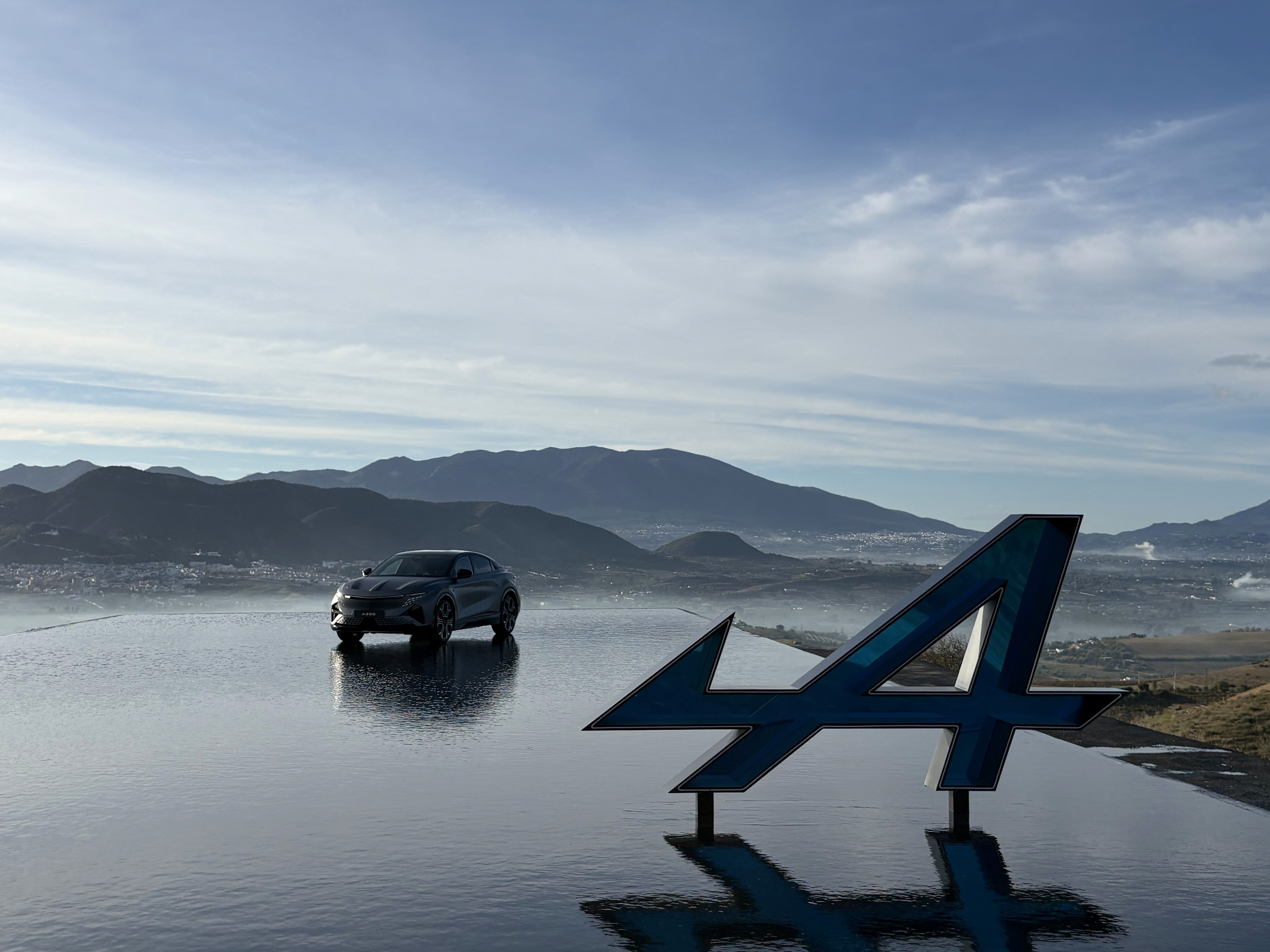
At the launch of new Alpine A390, we spoke to the company’s Managing Director, Nicola Burnside, about the SalSac sales opportunities for the brand’s new EV models.