BYD Seal 6 DM-i Boost saloon review
BYD’s smart-looking C-Segment challenger puts efficiency before driving appeal.

Martyn Collins
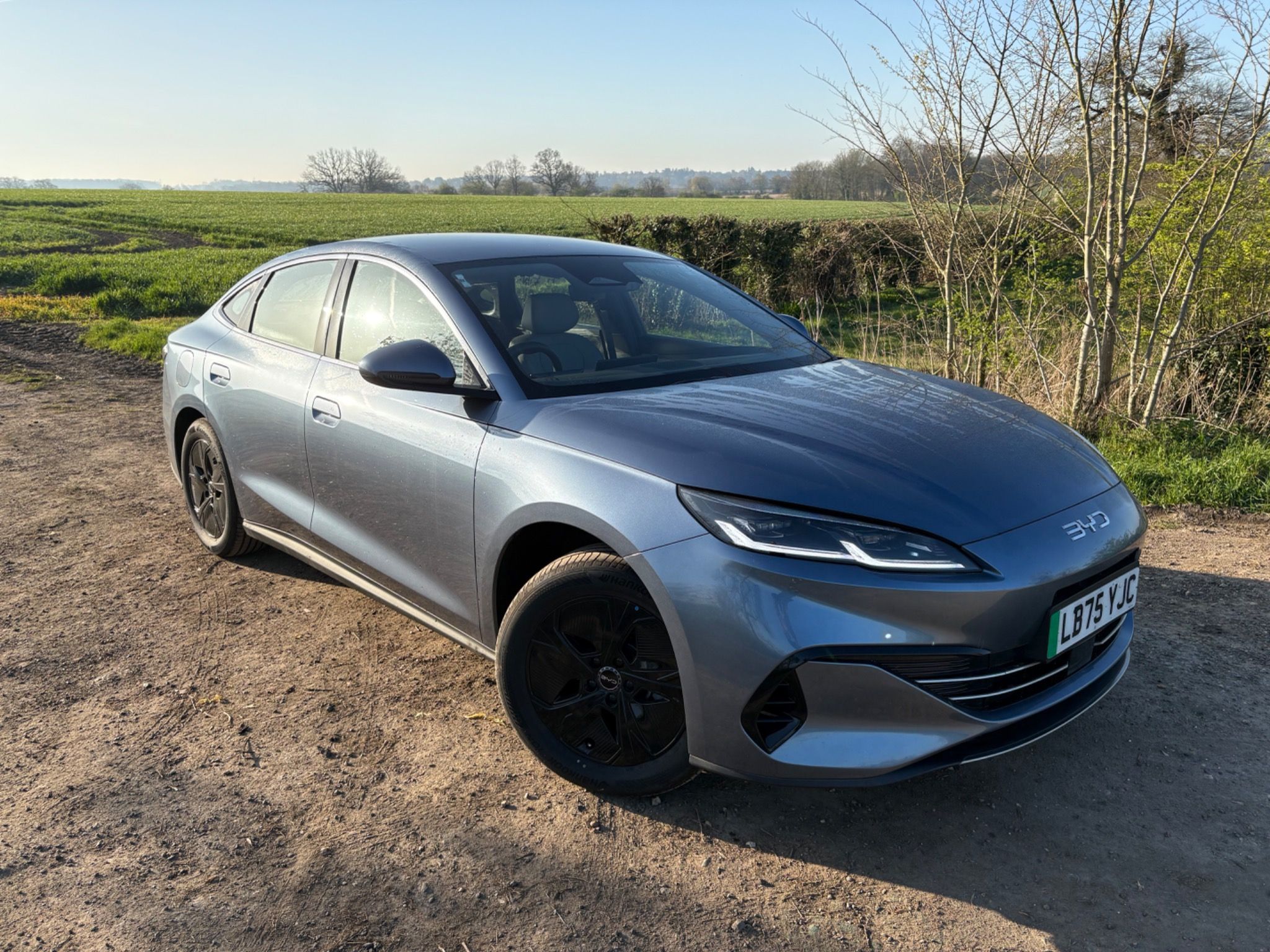
BYD launched as an EV brand in the UK three years ago, but like many other brands is being forced to pivot towards plug-in hybrid models, as the predicted demand for EV models hasn’t fully materialised. To go alongside the popular Seal U DM-i SUV, BYD has now launched the Seal 6 DM-i mid-size saloon and estate models in the UK, and we’ve spent a month in an entry-level Boost saloon to see what we think as a fleet option.
Design and interior
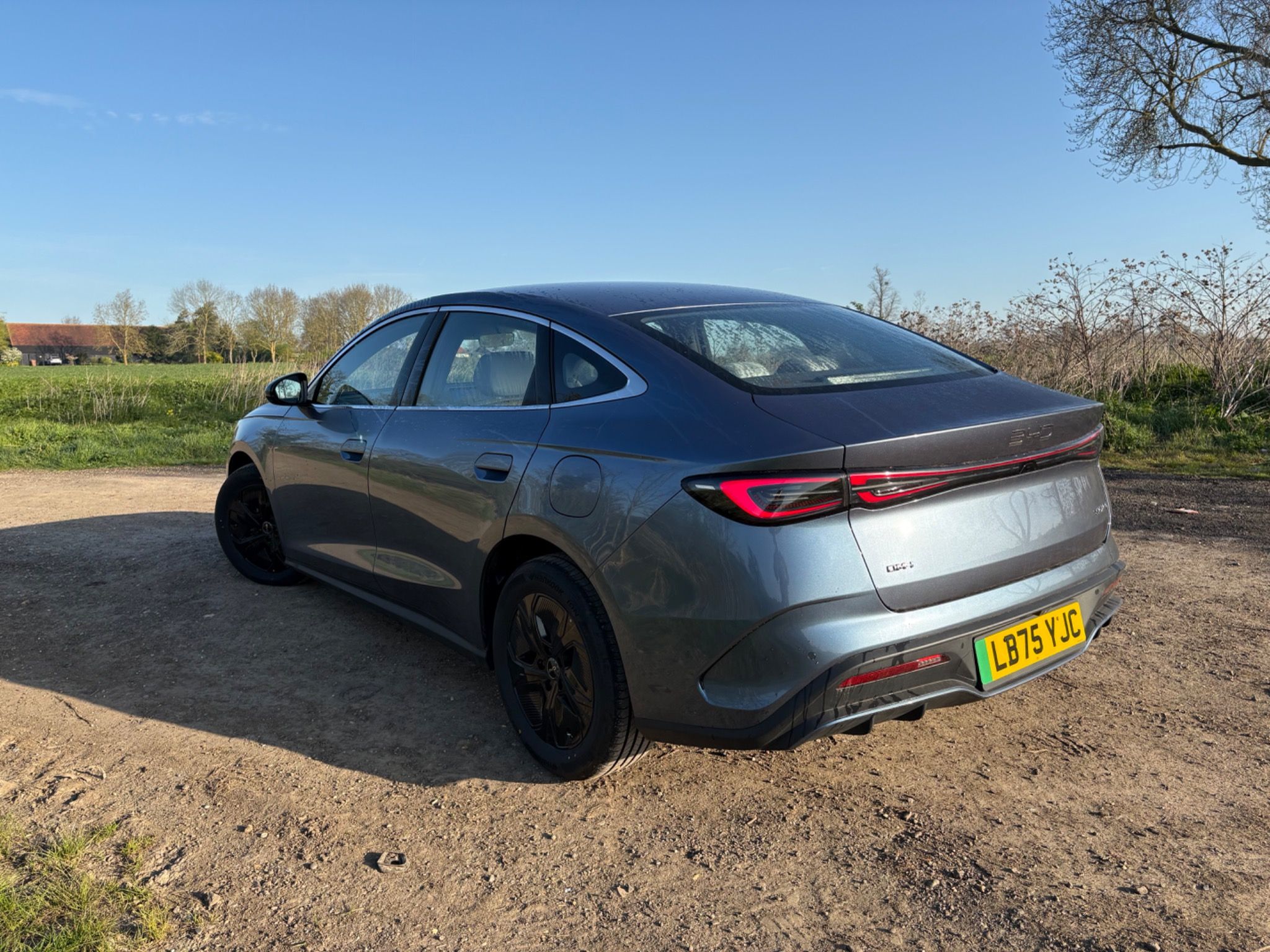
Outside, the Seal 6 DM-i, at first glance, looks like a scaled-down Seal EV saloon. Just like its big brother, BYD claims the Seal 6’s exterior design is inspired by the ocean, with its front-end made up of flowing shapes and sharper lines, to give this car a sporty, more dynamic look. This is completed by the large, LED headlights with their crystal-look.
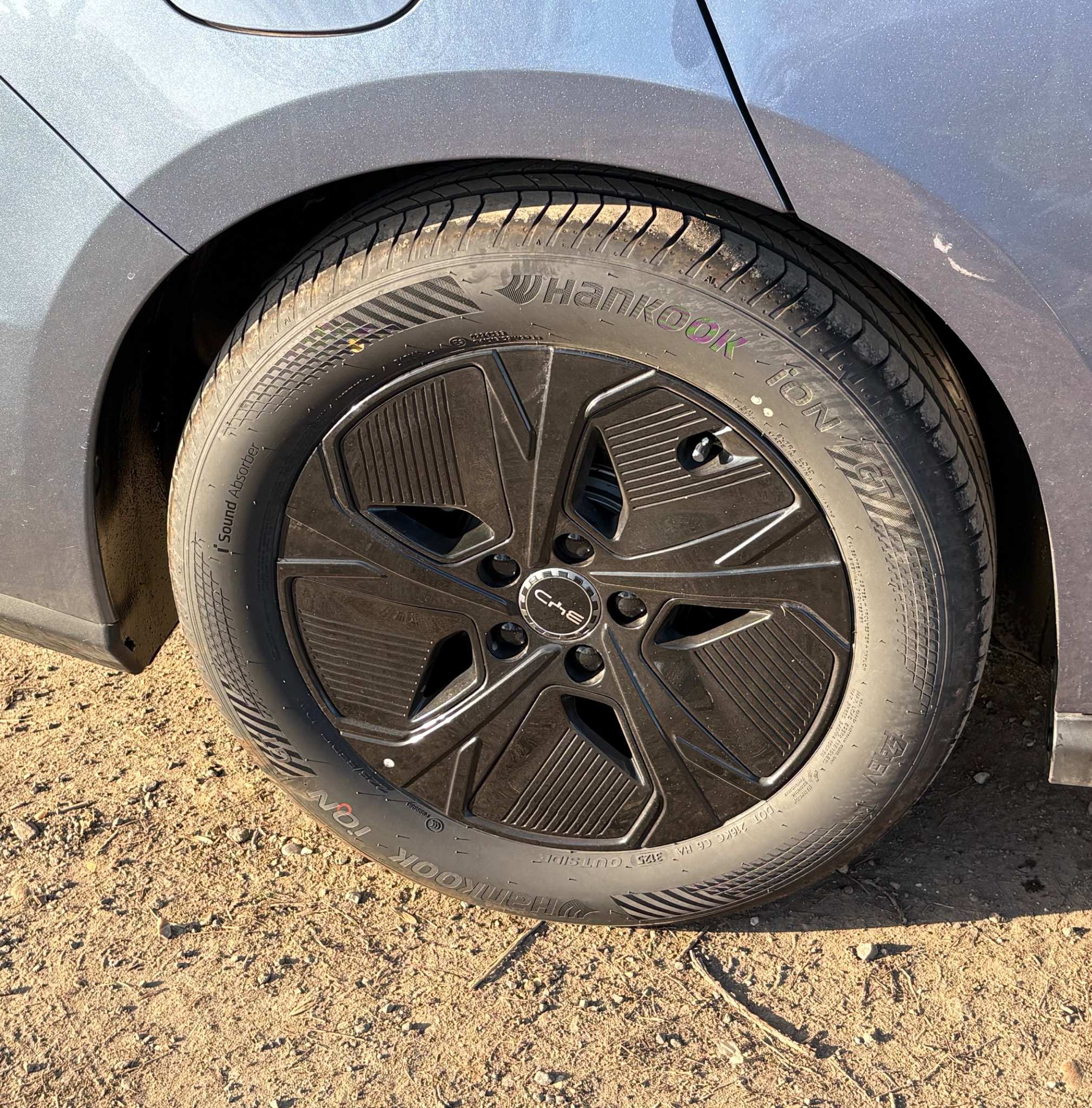
At the side, the Seal 6’s sculpted dual waistline accentuates its sleek profile. The standard 17in wheels look small and cheap with their plastic wheel covers. At the rear of this BYD saloon’s design is high-set LED matrix taillights, with the indicators that strobe Audi-style.
The Touring estate, in our opinion, is the more attractive and most practical body style. The Touring’s extended curvy roofline, upswept rear windows, and small, but upright rear screen, equal a sizeable 500 litres of flexible load space, almost as big as models from the segment above, and 675 litres if you load beyond it. Fold the 40:60 split-fold seat down in the Touring, and the extended boot capacity is an impressive 1,535-litres – although the rear seats don’t fold totally flat.
Our saloon has a still decent 491-litres of boot space, which can be increased to 1,370 litres, although access isn’t as good.
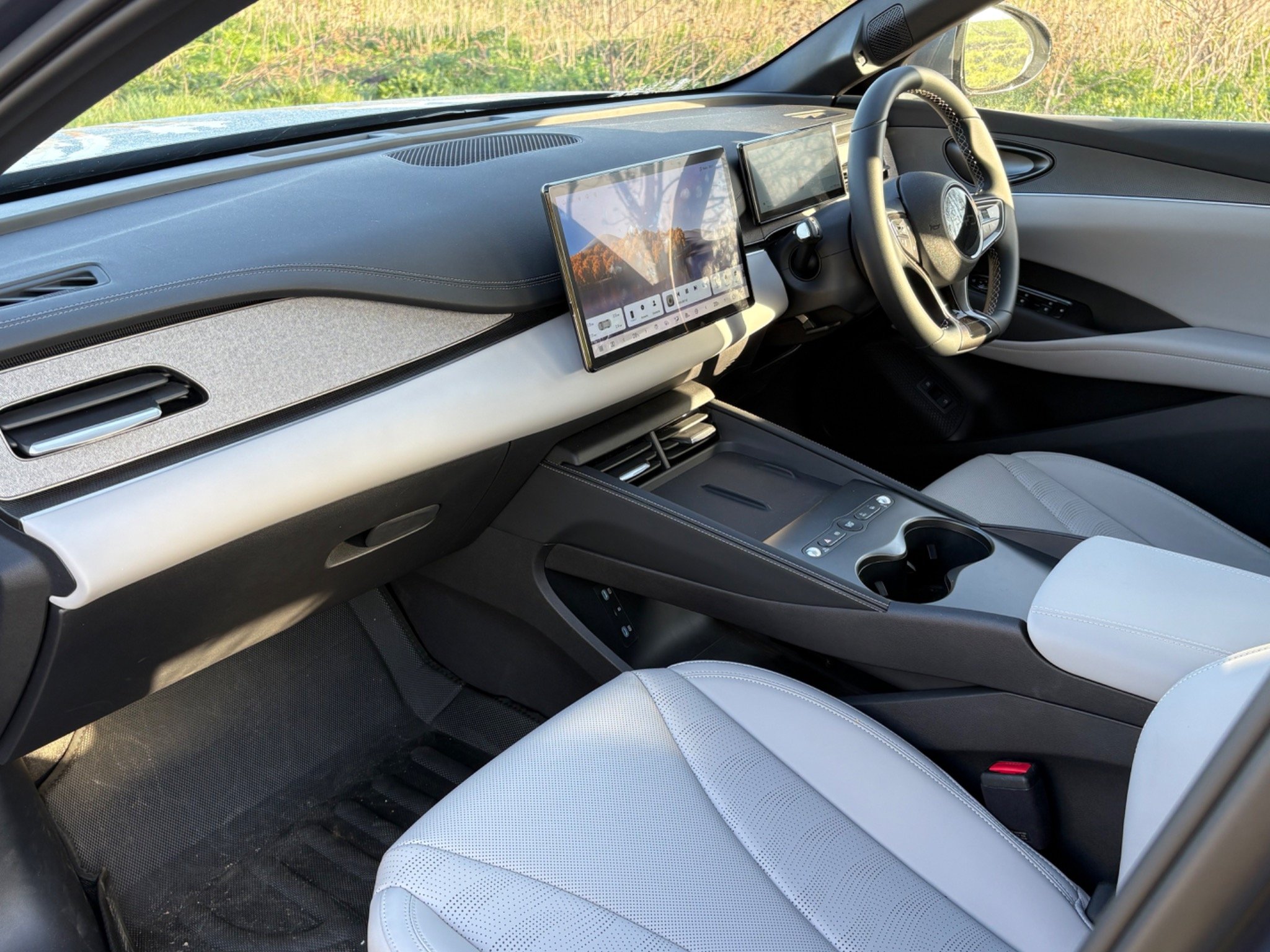
Three Seal 6 versions are available: Boost, Comfort Lite, and Comfort. Boost is the entry-level specification, but kit levels are largely the same, so vegan leather trim, power adjustable front seats, and a 12.8in infotainment screen, which now doesn’t rotate, are all standard. Although on cold mornings we really wished it had the heated seats, fitted as standard on the other Comfort Lite and Comfort trims.
The infotainment on our test car was a bit hit and miss; we couldn’t get the digital radio to work, and we relied on Apple CarPlay anytime we needed navigation. Plus, we would have preferred some physical controls for the heating and the lights. The icons for these could be bigger, more clearly marked, and that we didn’t have to go through so many screens to get to them. Still, there’s impressive storage in the centre console, plus plenty of charging points for phones.
In our opinion, there is nothing at all memorable about the Seal 6’s interior, when compared to premium rivals, such as the Skoda Superb and Volkswagen Passat. However, the driving position is comfortable, the front seats are supportive, and there is decent legroom front and rear, plus in the back there’s the bonus of a completely flat floor.
Performance and drive
The Seal 6 DM-i might seem like a backwards step when compared to BYD’s EV range, but it is quite smart underneath. In all driving modes, it almost feels like an EV with a petrol motor for support. When fully charged, we were almost able to match its claimed 34-mile EV range, although it was over way too quickly. In fact, even without much charge in its battery, the Seal 6’s efficiency still impressed, with almost 400 miles covered with the small 65 litre fuel tank - that wasn’t full when it arrived. Although the humming and sometimes thrashy nature of the petrol engine spoils the overall feeling of refinement in this car.
Our Boost equipment-grade Seal 6 had an Atkinson-cycle, 98hp 1.5-litre naturally aspirated petrol engine, plus a 10.08kWh blade battery and 160kW electric motor. With the petrol engine powering either the front wheels or the electric motor, the overall figures are 181hp, 300Nm, and an 18% company car tax BIK figure. Considering the power, 0-62 acceleration in 8.9 seconds, is merely adequate.
When the Seal 6’s battery needs charging, its lack of DC charging capacity and slow 3.3kW maximum charging speed, mean it takes up to three hours to fully charge. This was fine for overnight charges, but meant charges on the move weren’t really worth the effort.
Acceleration is EV-like, so think very smooth, but this BYD is no sharp performer on the road. We often had to push the accelerator to the floor, and then the engine would smoothly, but noisily kick in, which, together with wind noise around the wing mirrors, disappoints.
Along with ‘EV’ and ‘hybrid’, there are ‘sport’, ‘normal’, and ‘eco’ drive modes - although we couldn’t notice much difference between these modes to the drive. However,‘sport’ mode noticeably sharpens up the throttle.
The other noticeable disappointments about the Seal 6 revolve around the unsettled ride – despite the modest 18in wheels fitted. Plus, the over-light steering surprises at how much correction it needs on the move.
Despite a driving experience that could do with more polish, this BYD impressed with its efficiency. Comfort Lite and Comfort models make more sense for fleet, thanks to their fuel savings, with their larger battery, equalling increased EV range, and improved charging. For £33,990, it’s a well-equipped and well-made C-Segment choice, but future changes to taxation could make the Seal 6 DM-I unattractive to fleet buyers.
Positive: Efficient, comfortable and well-equipped interior, affordably priced.
Negative: Not much fun to drive, poor EV range and charging for the Boost version, unsettled ride, steering lacks precision.
Standard equipment: Metallic paint, LED headlights, tail lights and daytime-running lights, 18in wheels, automatic wipers, power adjustable front seats, power adjustable and folding side mirrors, 8.8in digital instrument panel, 12.8in touchscreen infotainment system, four USB ports, rear parking sensors and rear-view camera, Vehicle-to-Load functionality
Engines: Plug-in hybrid: 181hp, 209hp
Equipment grades: Boost, Comfort Lite, Comfort
Transmission: eCVT automatic
Specification | Details |
|---|---|
Vehicle | BYD Seal 6 DM-i |
Body Style | Saloon |
Battery Capacity | 10.8 kWh |
P11D Value | £33,990 |
Fuel Consumption | 64.2 mpg |
CO₂ Emissions | 52 g/km |
BIK Band | 18% |
Monthly BIK (20% taxpayer) | £79 |
Monthly BIK (40% taxpayer) | £158 |
Luggage Capacity | 491 litres |
Engine | 1499cc petrol + electric motor |
Power Output | 181 hp |
Share this
Featured Posts


Explore Topics